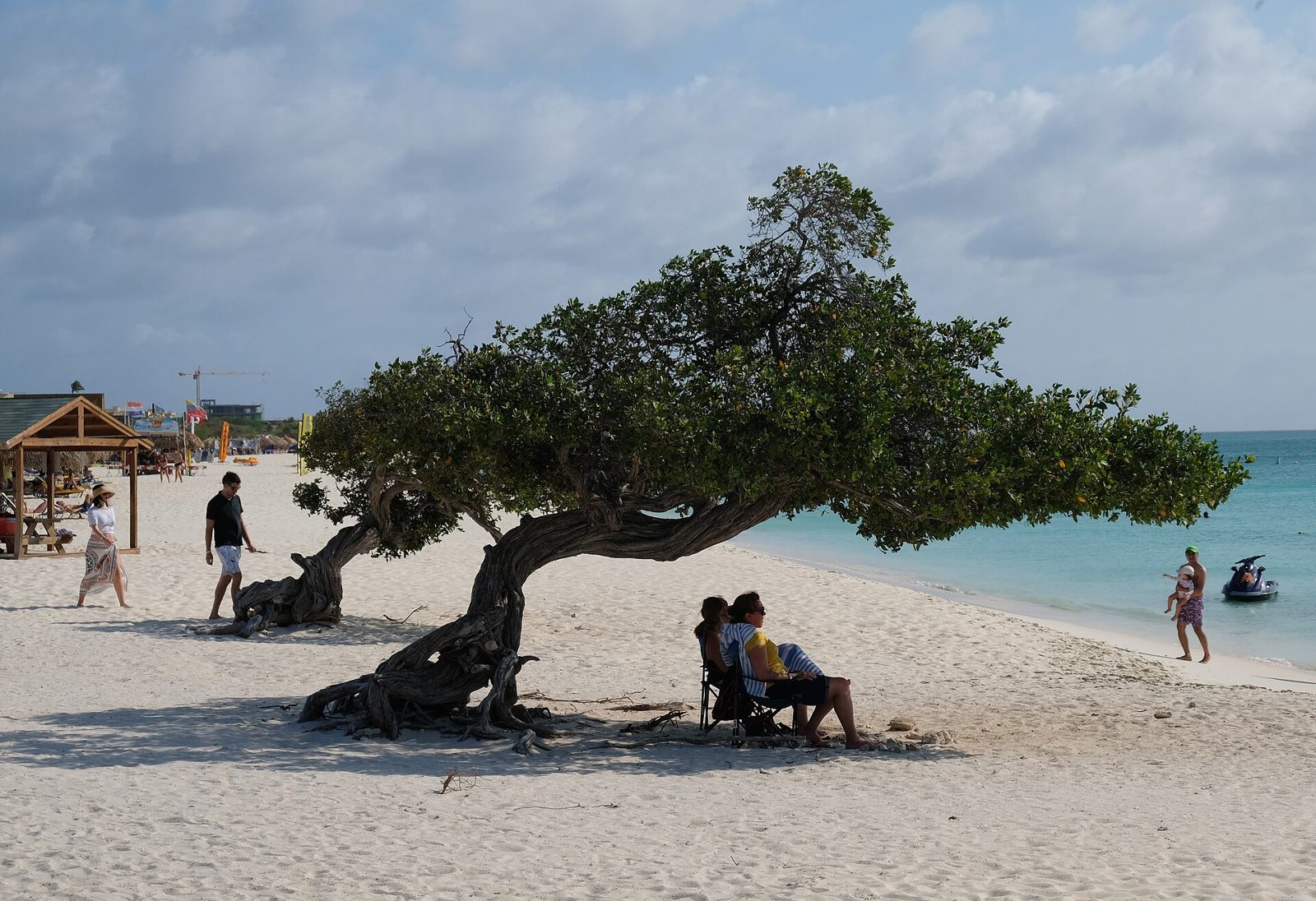
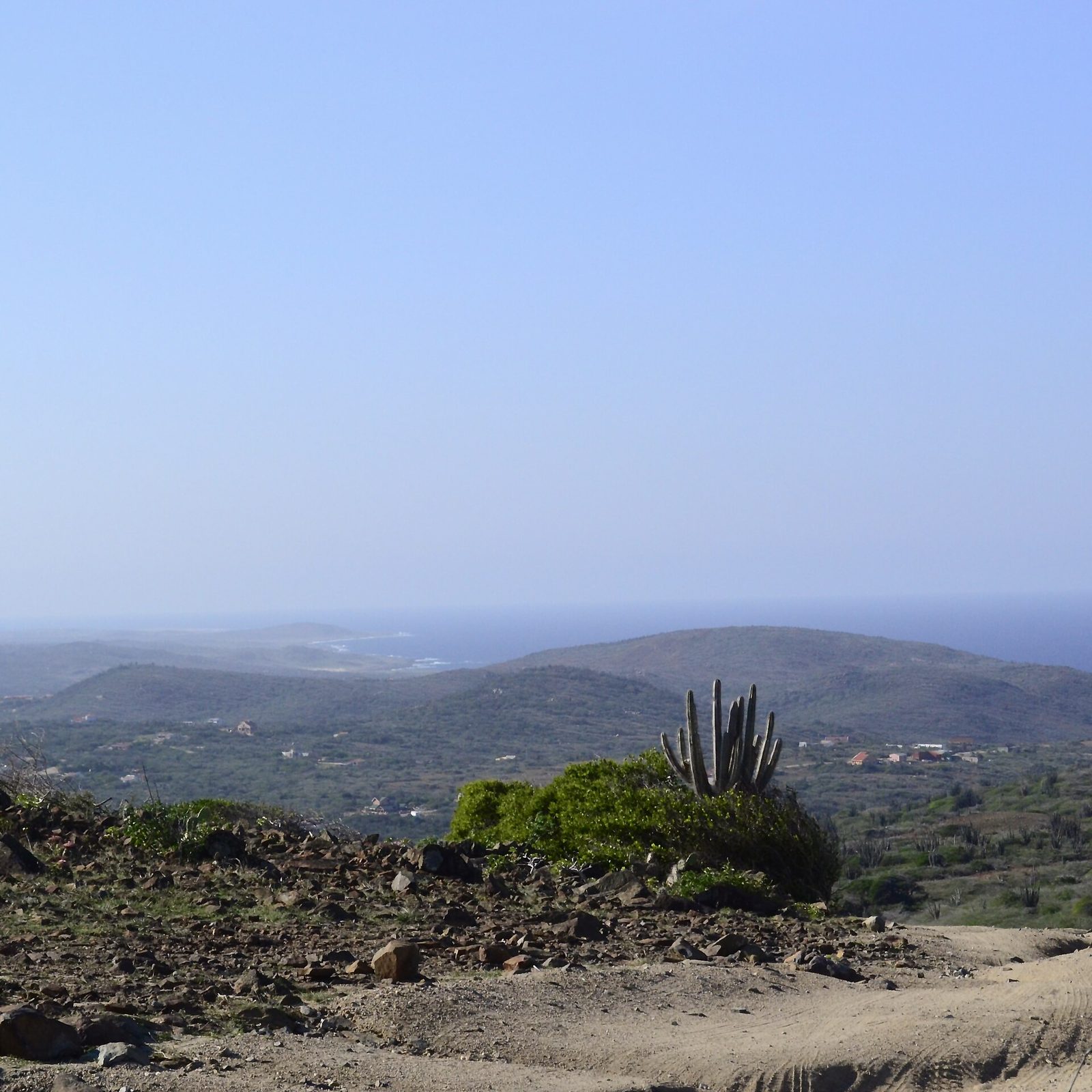
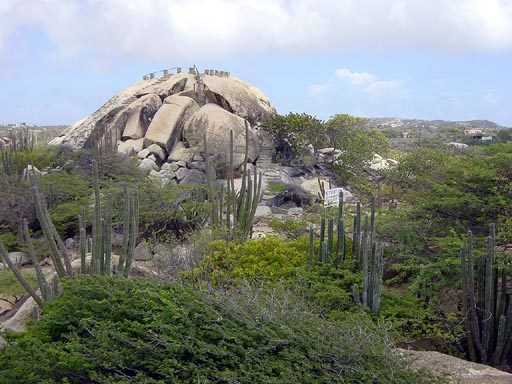
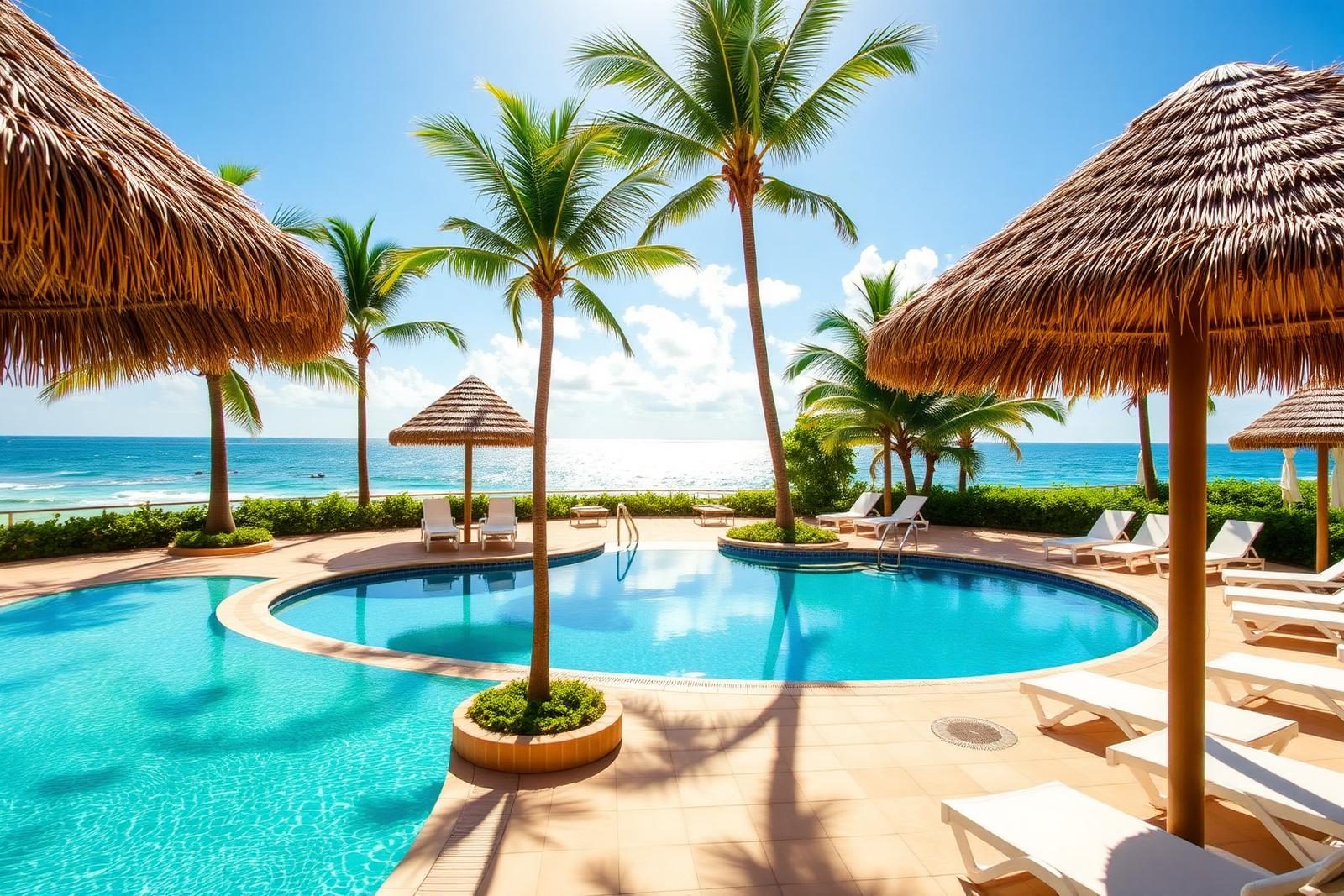
Aruba sits about 18 miles off the coast of Venezuela, outside the main hurricane belt, which is the single biggest reason it books so consistently: the weather is dependable almost every week of the year. It is dry, sunny, and constantly breezy, with a desert interior of cactus and divi-divi trees that looks nothing like the lush volcanic islands further north.
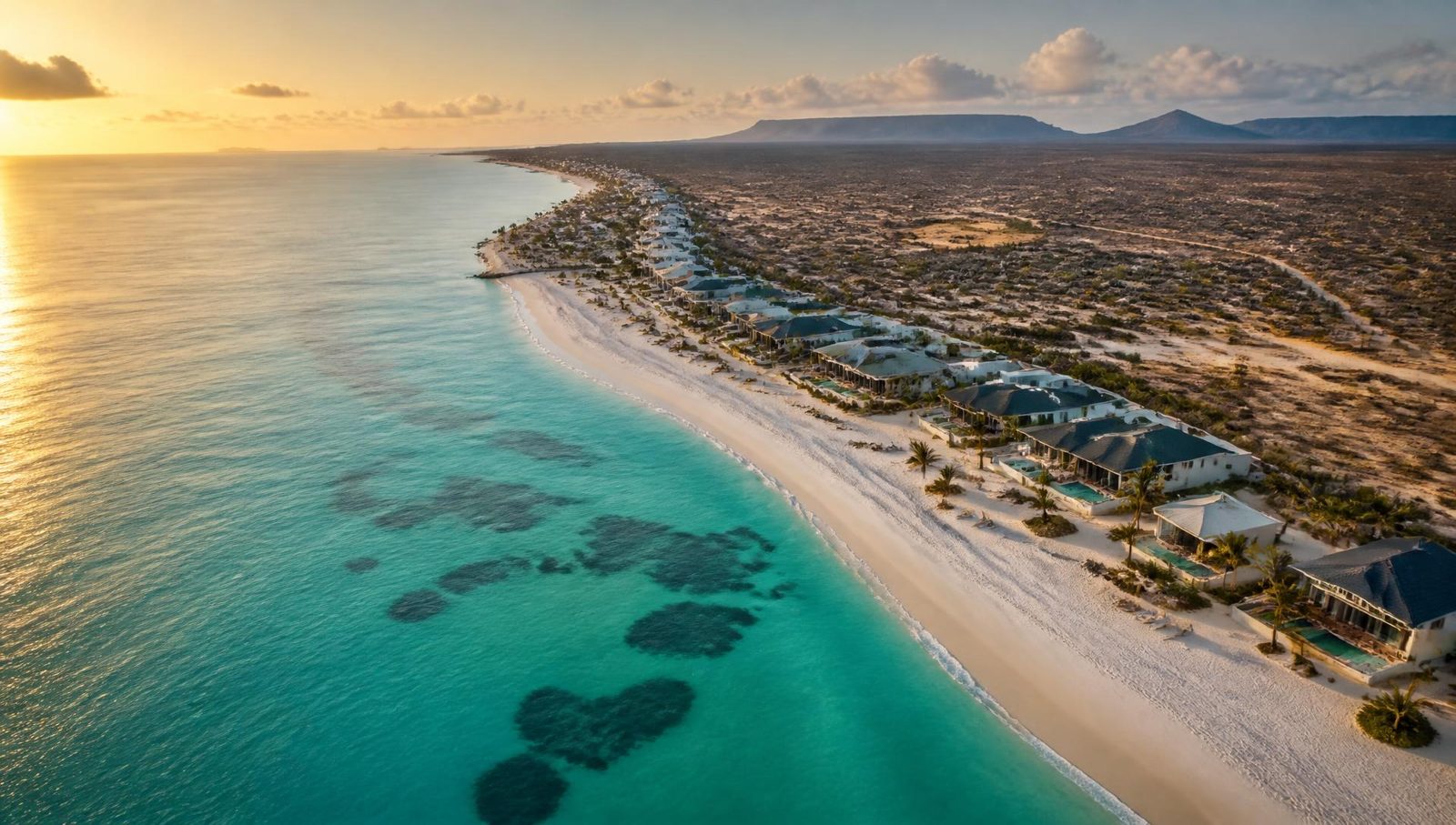
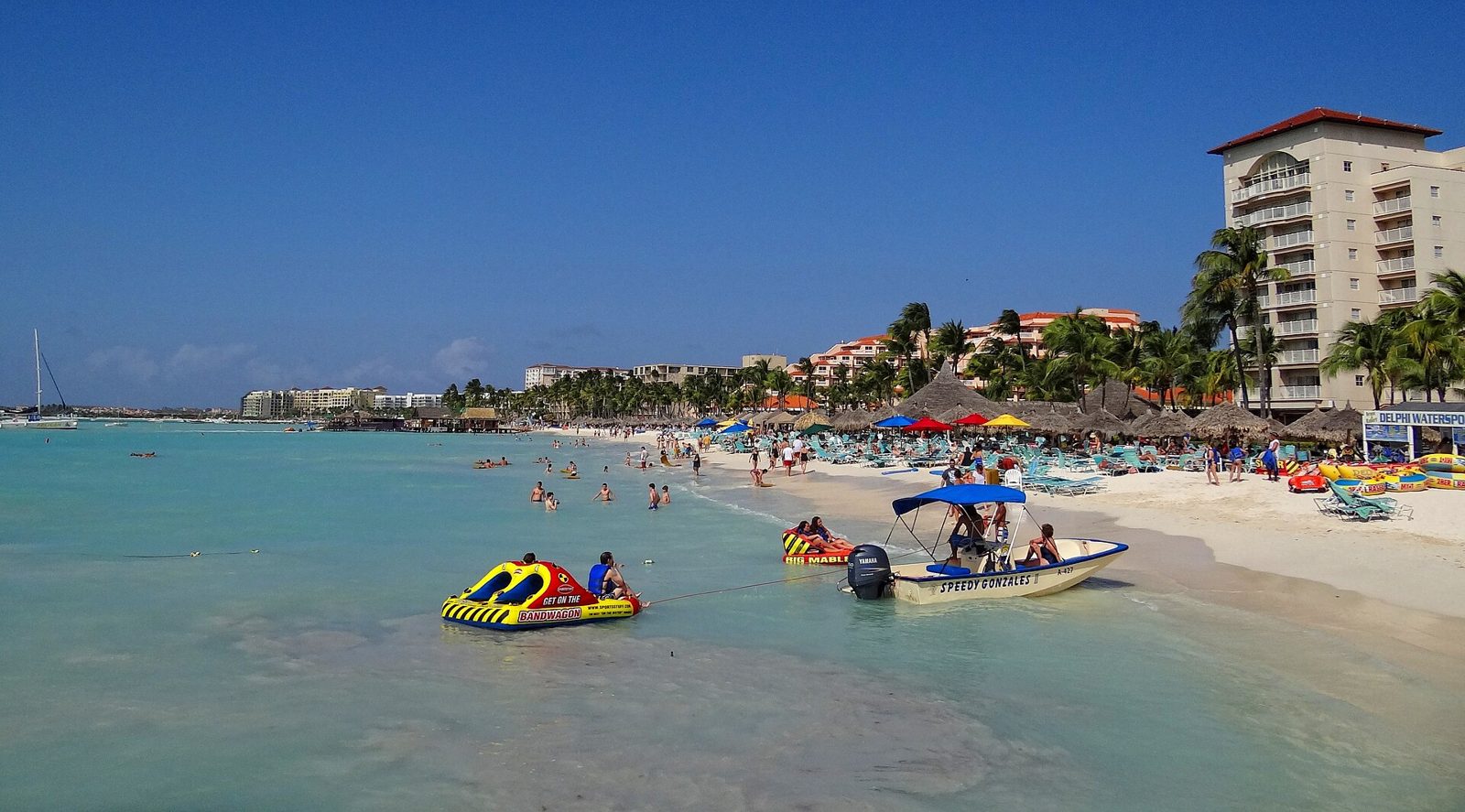
Nearly all the resorts sit on one 7-mile stretch of leeward (western) coast, split between Palm Beach — high-rise hotels, casinos, water sports, and walkable restaurants — and Eagle Beach, which is low-rise, wider, quieter, and regularly named one of the best beaches in the world. The windward north coast is the opposite: rough surf, limestone cliffs, and almost no development.
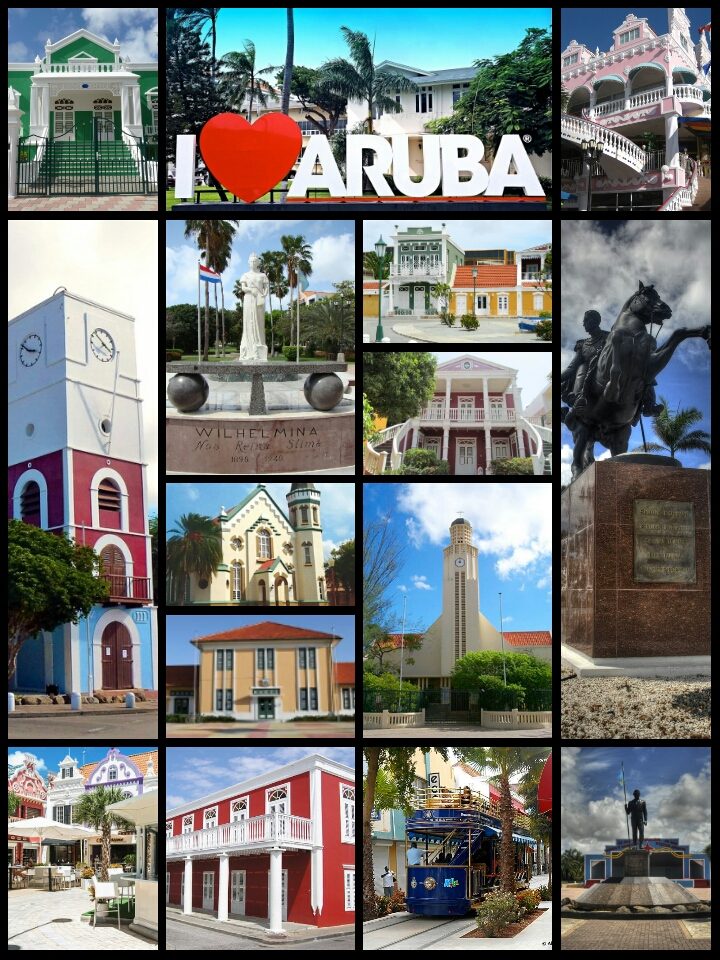
Aruba is part of the Kingdom of the Netherlands, so the infrastructure is genuinely easy for American travelers: US dollars are accepted everywhere, tap water is desalinated and safe to drink, English is spoken universally, and US airports handle customs preclearance in Aruba before you fly home.
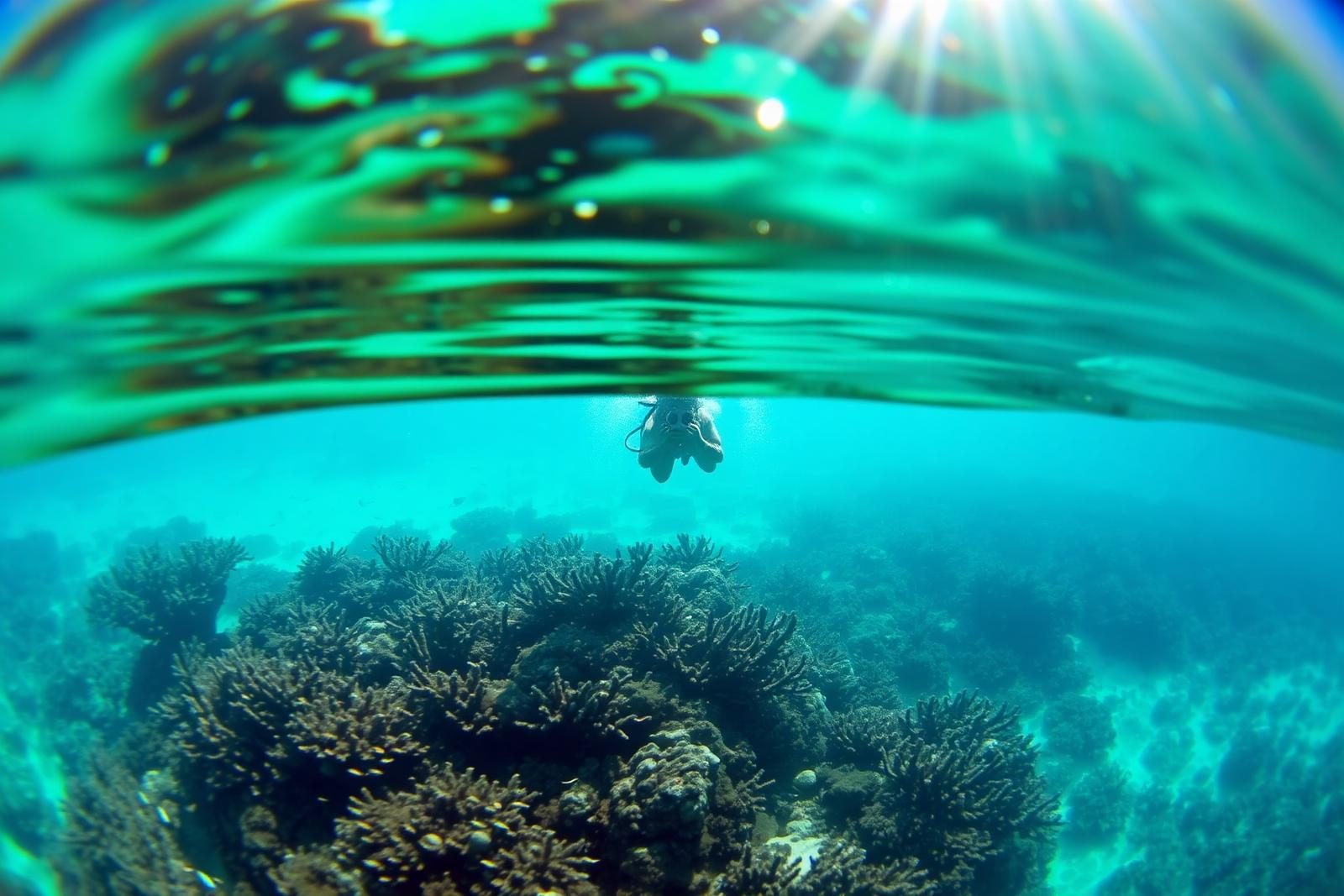
It suits first-time Caribbean travelers, families, honeymooners, and repeat visitors who want reliably calm swimming water. It is not the island for jungle hikes, rainforest waterfalls, or dramatic mountain scenery.