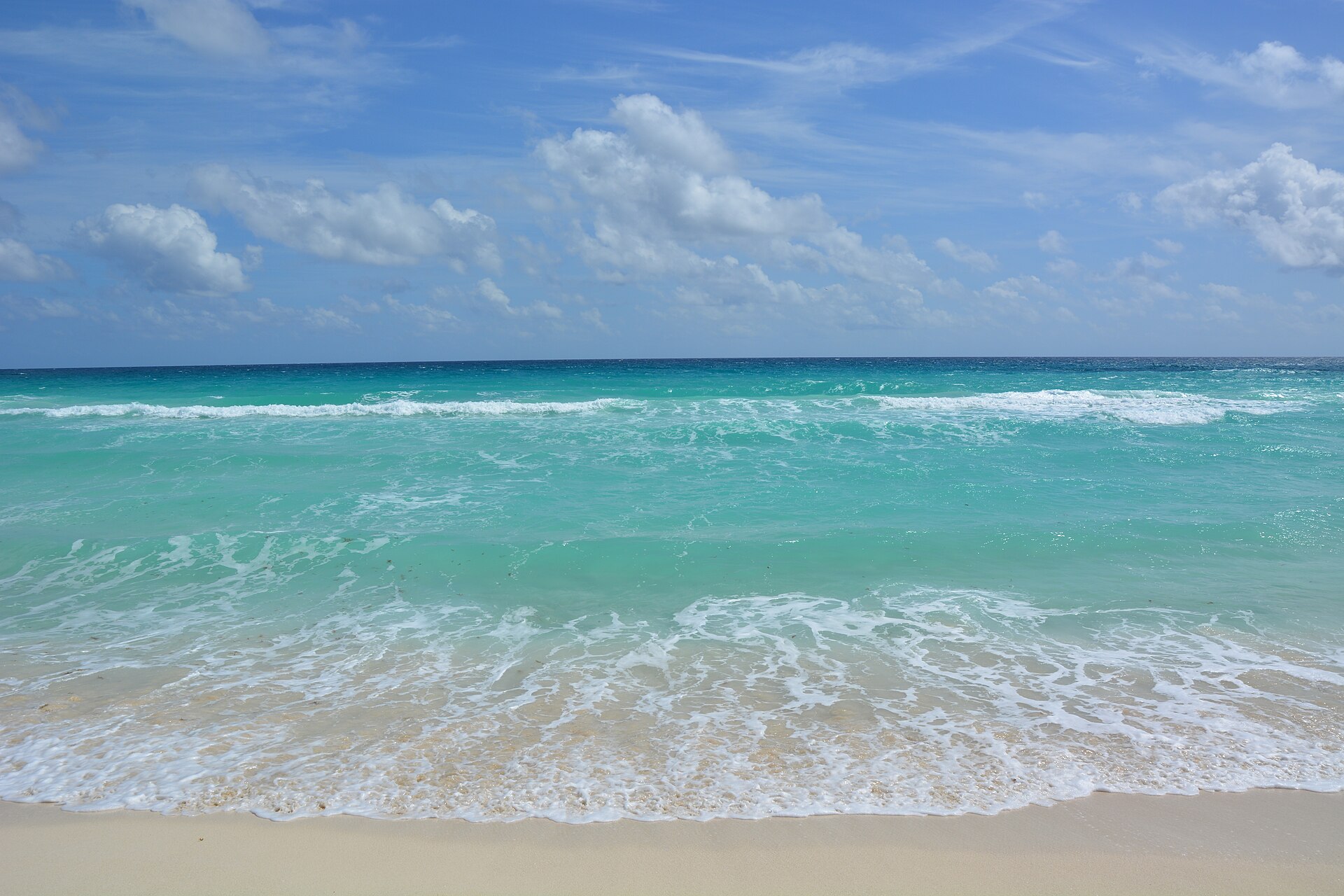
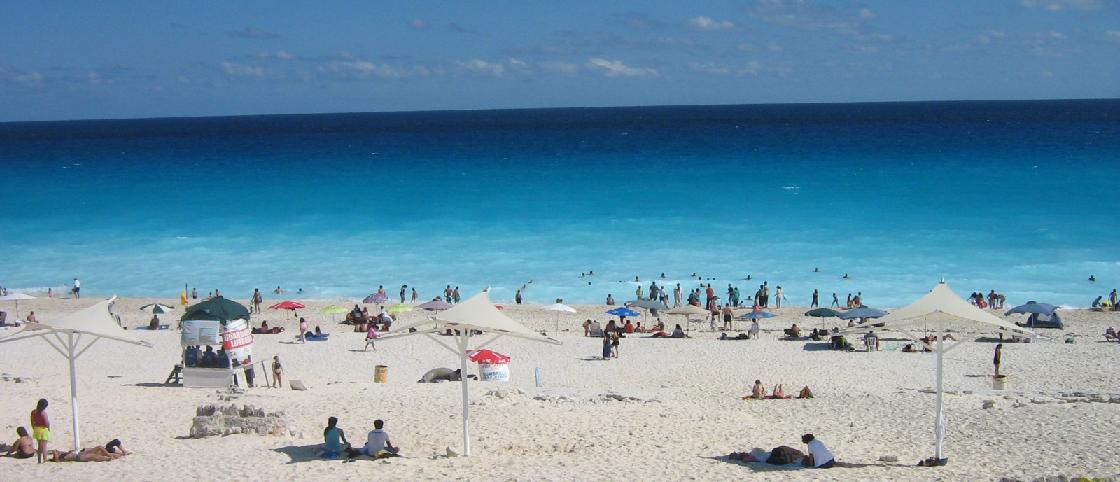
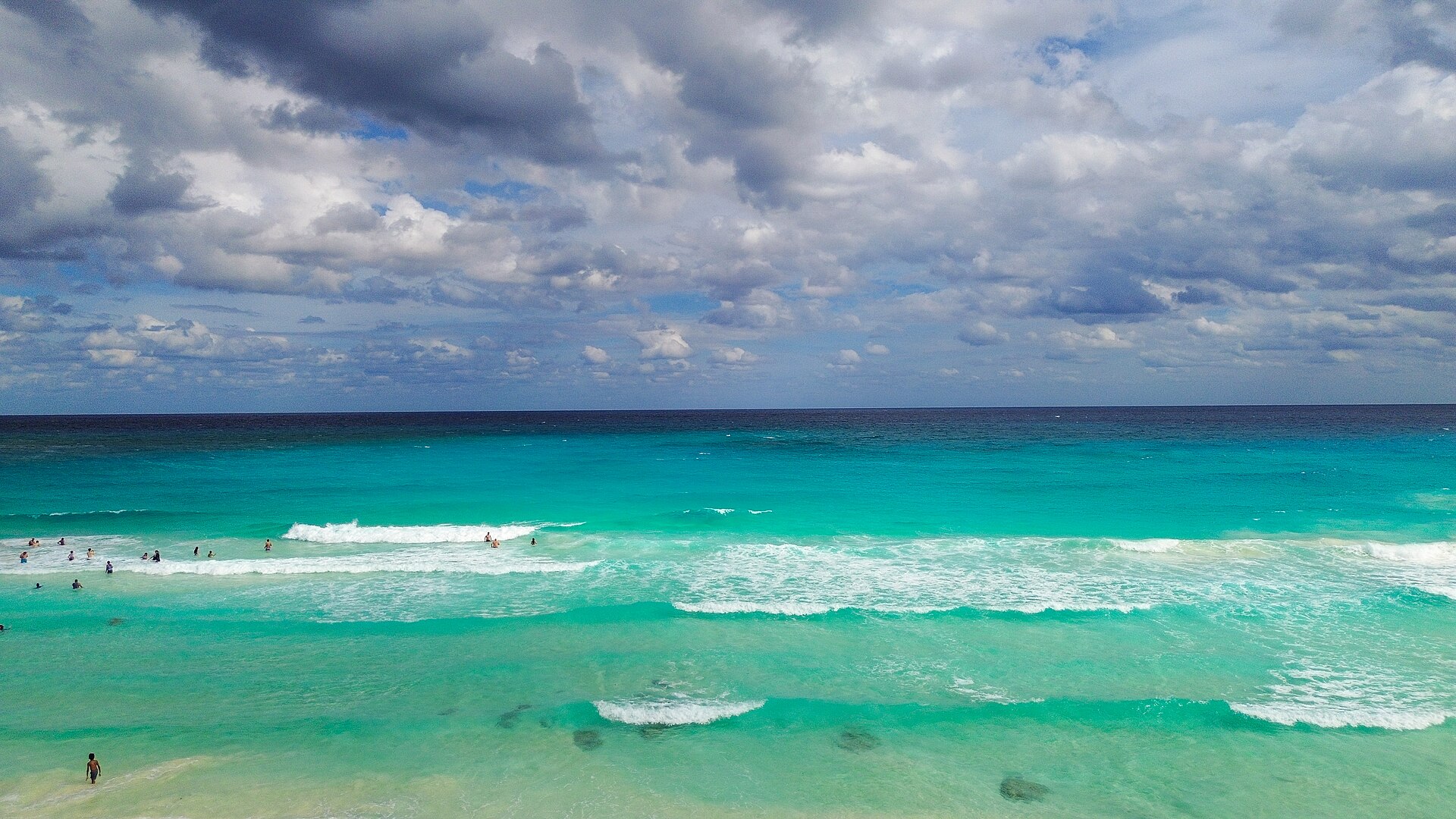
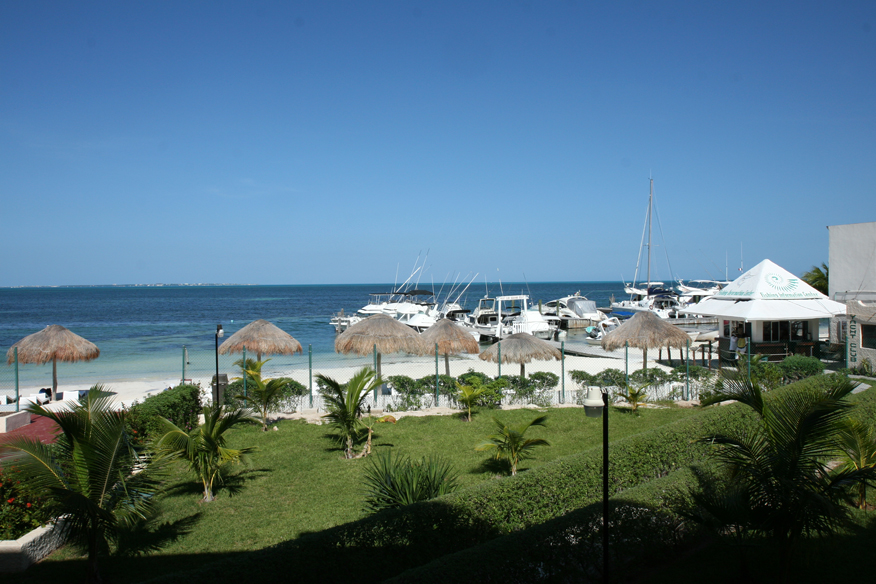
Cancún's resort strip sits on a narrow, roughly 14-mile barrier island shaped like the number 7, with the open Caribbean on one side and the calm, shallow Nichupté Lagoon on the other. Nearly every hotel occupies a sliver of that island, called the Hotel Zone (Zona Hotelera), connected to the mainland by two causeways — which makes the whole strip easy to navigate by bus or taxi even though it stretches for miles.
Cancún itself is a planned resort city, built by the Mexican government starting in 1970 specifically to draw international tourism to the Yucatán's Caribbean coast, and it now anchors the Riviera Maya region that runs south to Tulum. Unlike Aruba, there is no US customs preclearance here — travelers clear Mexican immigration and, on the way home, US or Canadian immigration at their arrival airport, so it's worth budgeting extra time at both ends, especially in high season.
The destination has a genuine split personality. Punta Cancún and the nightclub strip draw a young, high-energy spring-break and bachelor-party crowd (loudest mid-March through April), while the quieter southern Hotel Zone, the all-inclusive family resorts, and the calmer beaches near Punta Nizuc cater to families and couples who never interact with that scene at all. Which stretch of the island you book matters as much as which hotel.
Cancún sits within the wider Atlantic hurricane belt, so the season runs June through November with the highest risk from August to October — the same window that brings the lowest hotel rates and the thinnest crowds. Outside of that window, the destination is dependably warm and sunny nearly year-round, which is why it remains one of the most-visited beach destinations from the US regardless of season.