Curaçao is the largest and most populous of the Dutch Caribbean's ABC islands — Aruba, Bonaire, Curaçao — sitting about 40 miles off the coast of Venezuela and, like its neighbors, outside the main Atlantic hurricane belt. That gives it the same dependable, dry, sunny climate Aruba is known for, but on a bigger island with a lot more to explore beyond the beach.
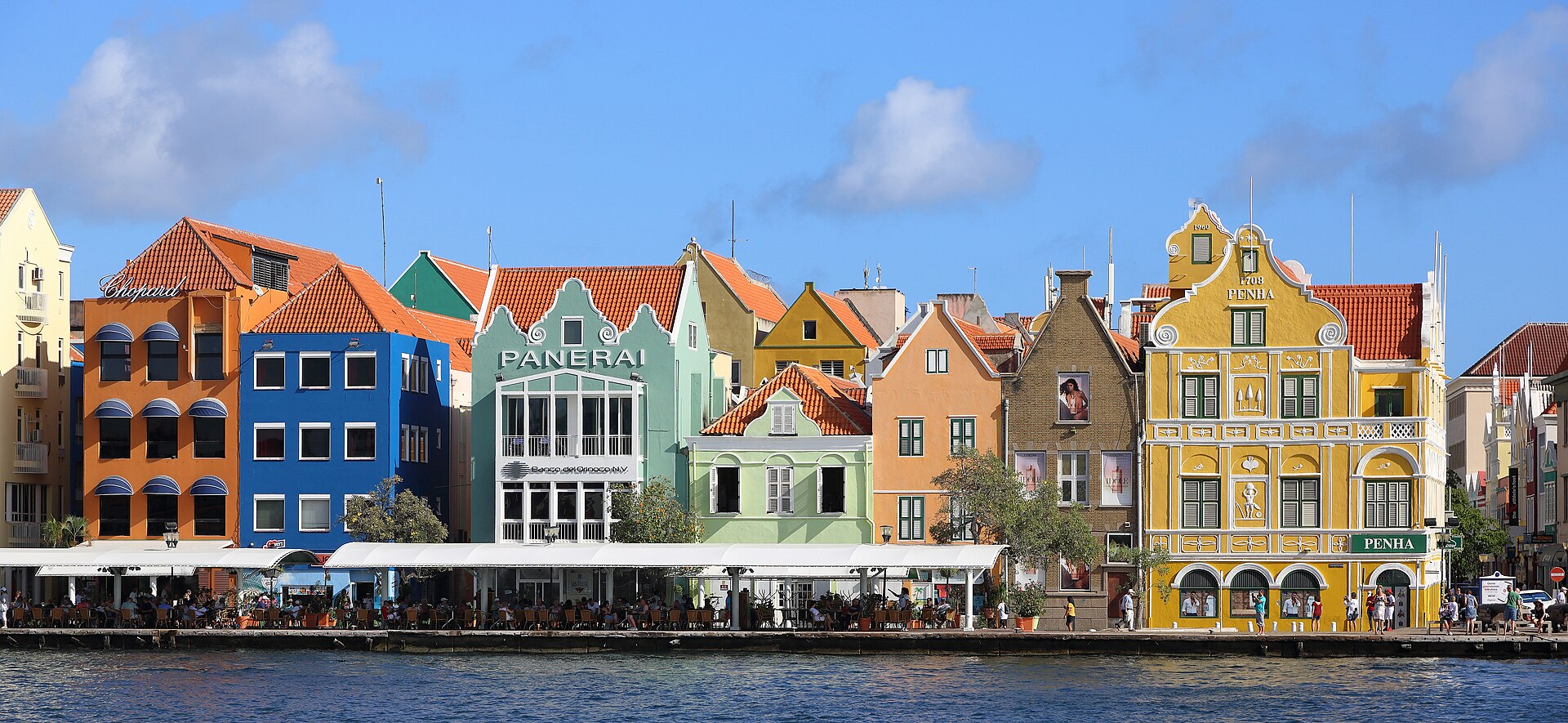
Its capital, Willemstad, is a UNESCO World Heritage Site and the real centerpiece of a visit: the Handelskade waterfront in the Punda district is a row of gabled, candy-colored Dutch merchant houses reflected in the harbor, connected to the older Otrobanda district by the Queen Emma Bridge, a pontoon footbridge that swings open on pontoons to let ships pass. Punda and Otrobanda are both genuinely walkable, with museums, street art, floating markets, and local restaurants layered into 17th-century streets.
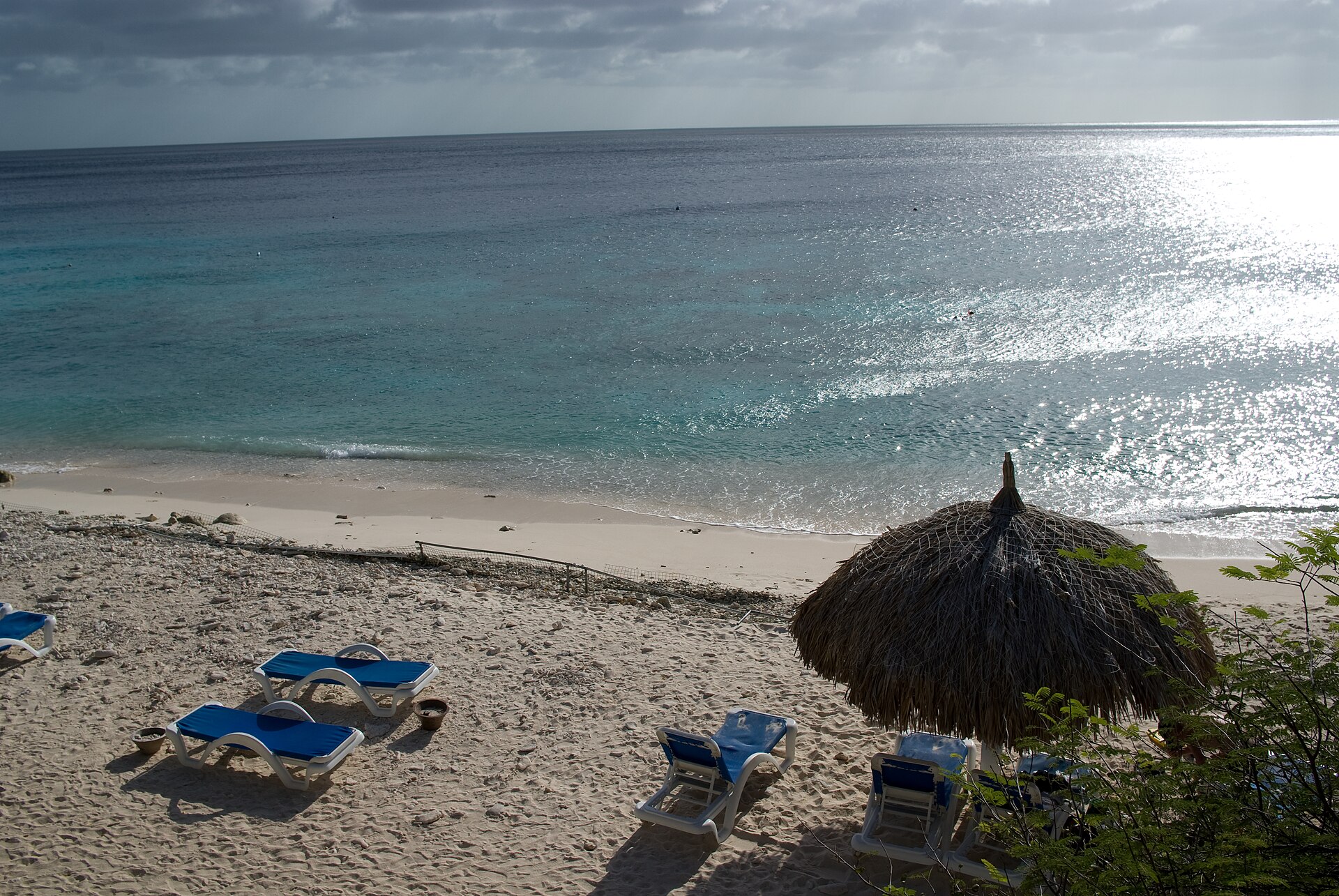
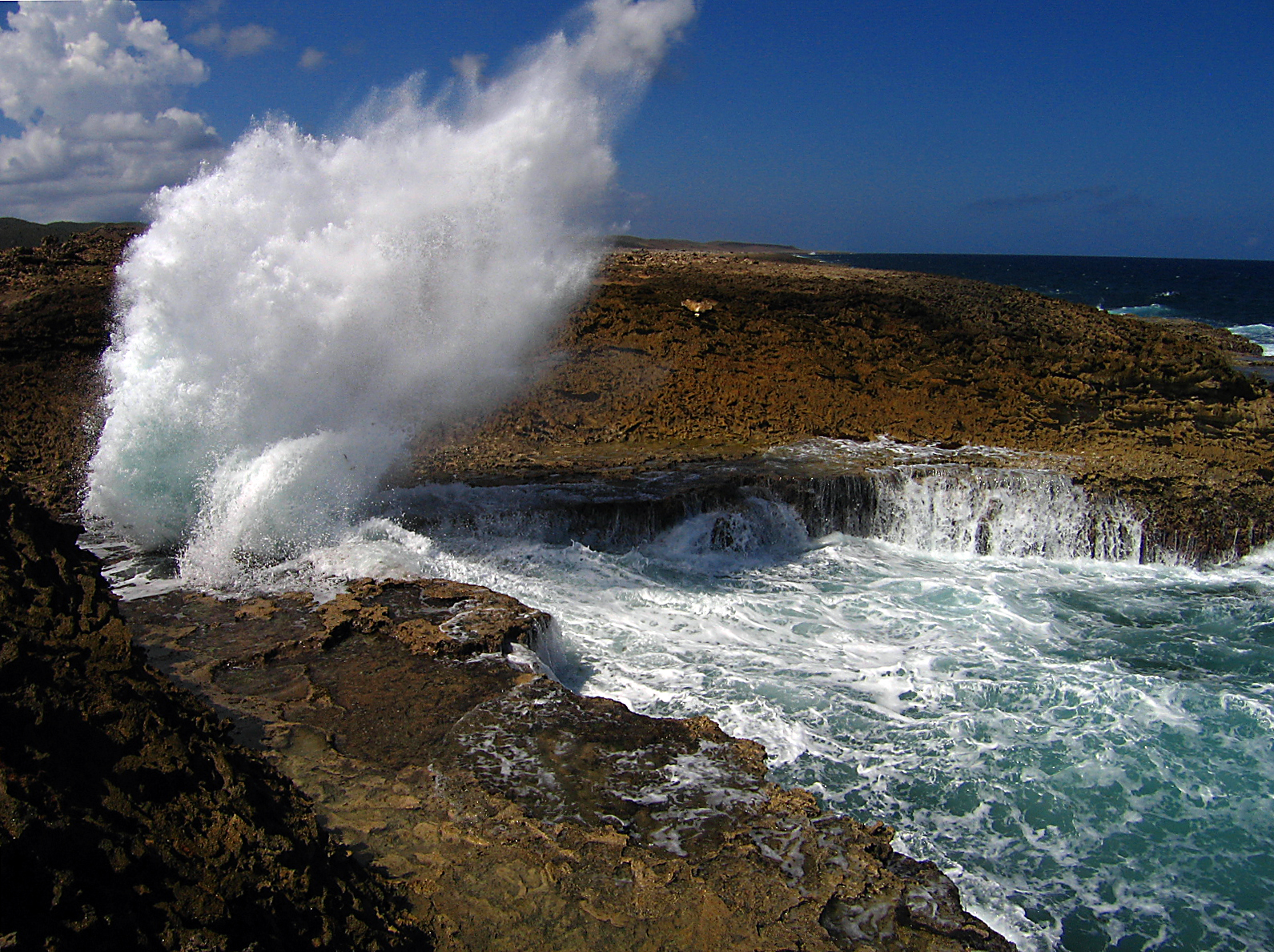
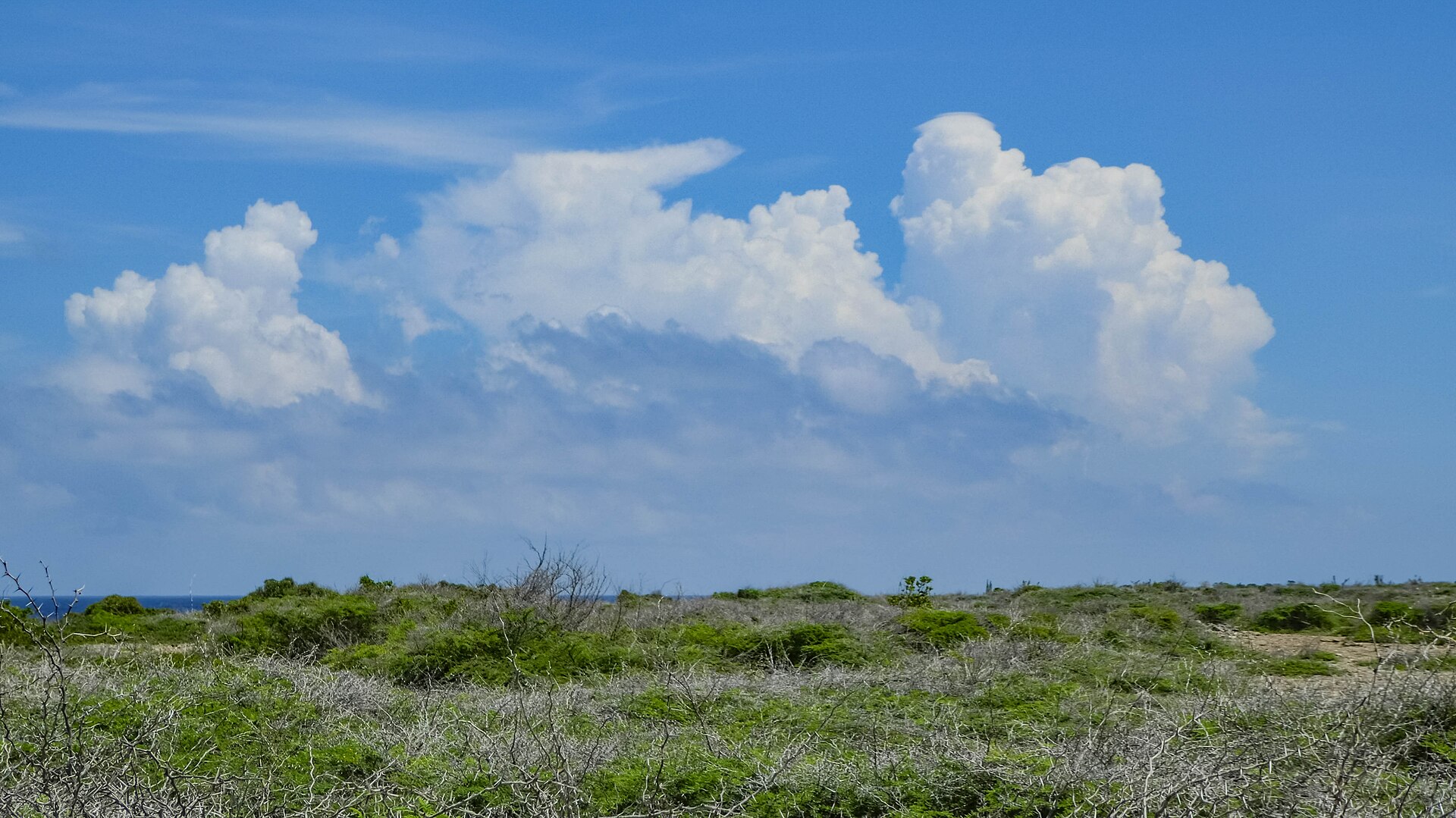
The west coast is where the island's beach life happens — not one long resort strip like Aruba, but dozens of small coves and inlets tucked into the coastline, from Playa Kalki near the island's northwestern tip to Cas Abao and Playa Lagun. Many drop straight into healthy fringing reef a few kicks from shore, which is why Curaçao is regarded as one of the best shore-diving and snorkeling destinations in the Caribbean. Inland, Christoffel National Park protects the island's dry cactus-and-thorn landscape and its highest point, Mt Christoffel.
Compared with Aruba, Curaçao feels less resort-built and more like a real, lived-in Dutch-Caribbean country — a bigger island, a more layered capital, better and cheaper diving, and a food and nightlife scene shaped by Papiamento-speaking locals rather than an all-inclusive strip. It suits travelers who want beach time plus genuine culture and diving, and are happy to rent a car to string the coves together.