The Dominican Republic shares the island of Hispaniola with Haiti and is the second-largest nation in the Caribbean, with a size and geographic variety that few island destinations can match — from 800-plus miles of coastline to a mountain interior tall enough for pine forests and the Caribbean's highest peak, Pico Duarte. That scale is why the country supports both the region's biggest concentration of all-inclusive resorts and a genuinely deep, historic capital city.
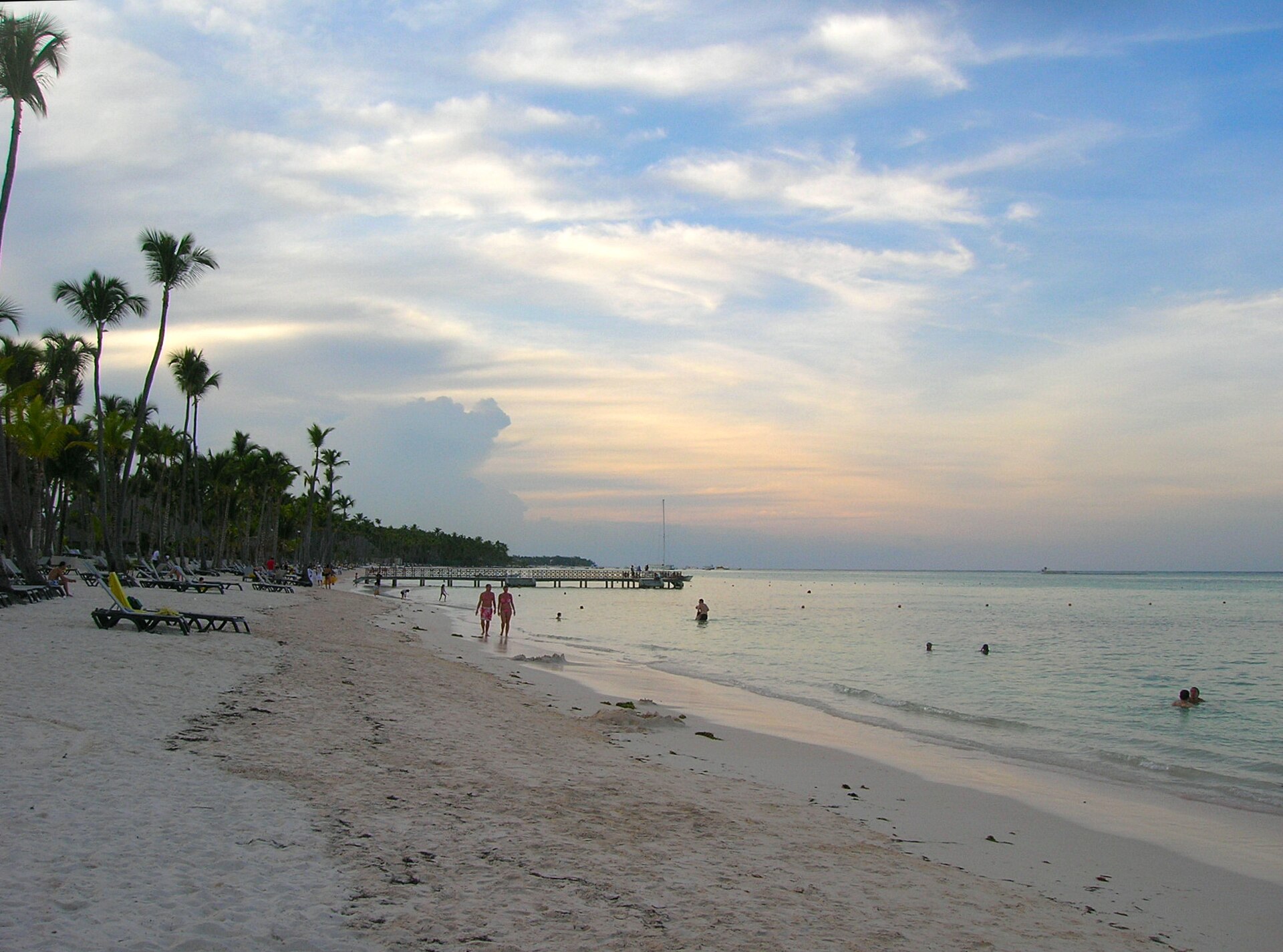
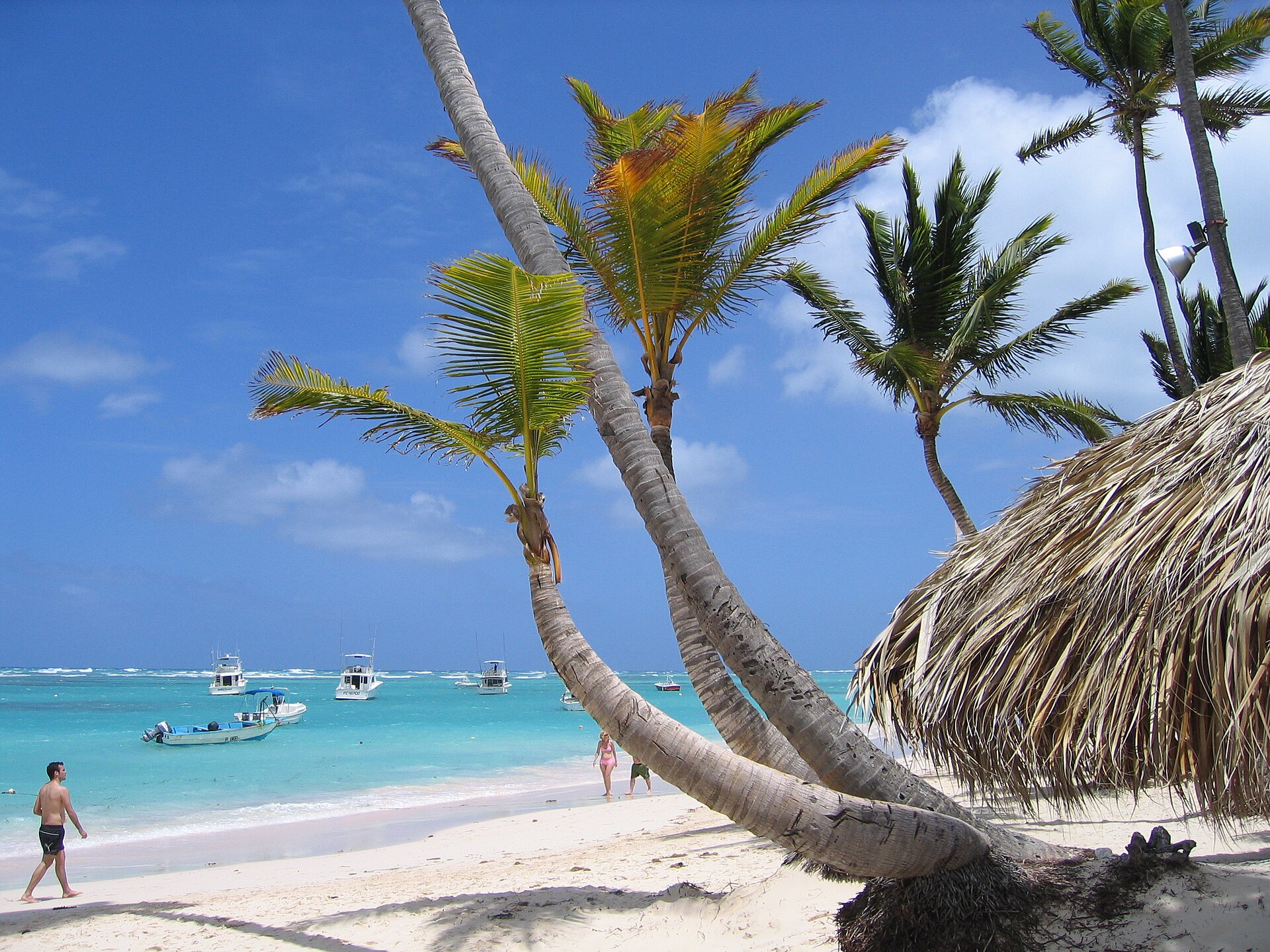
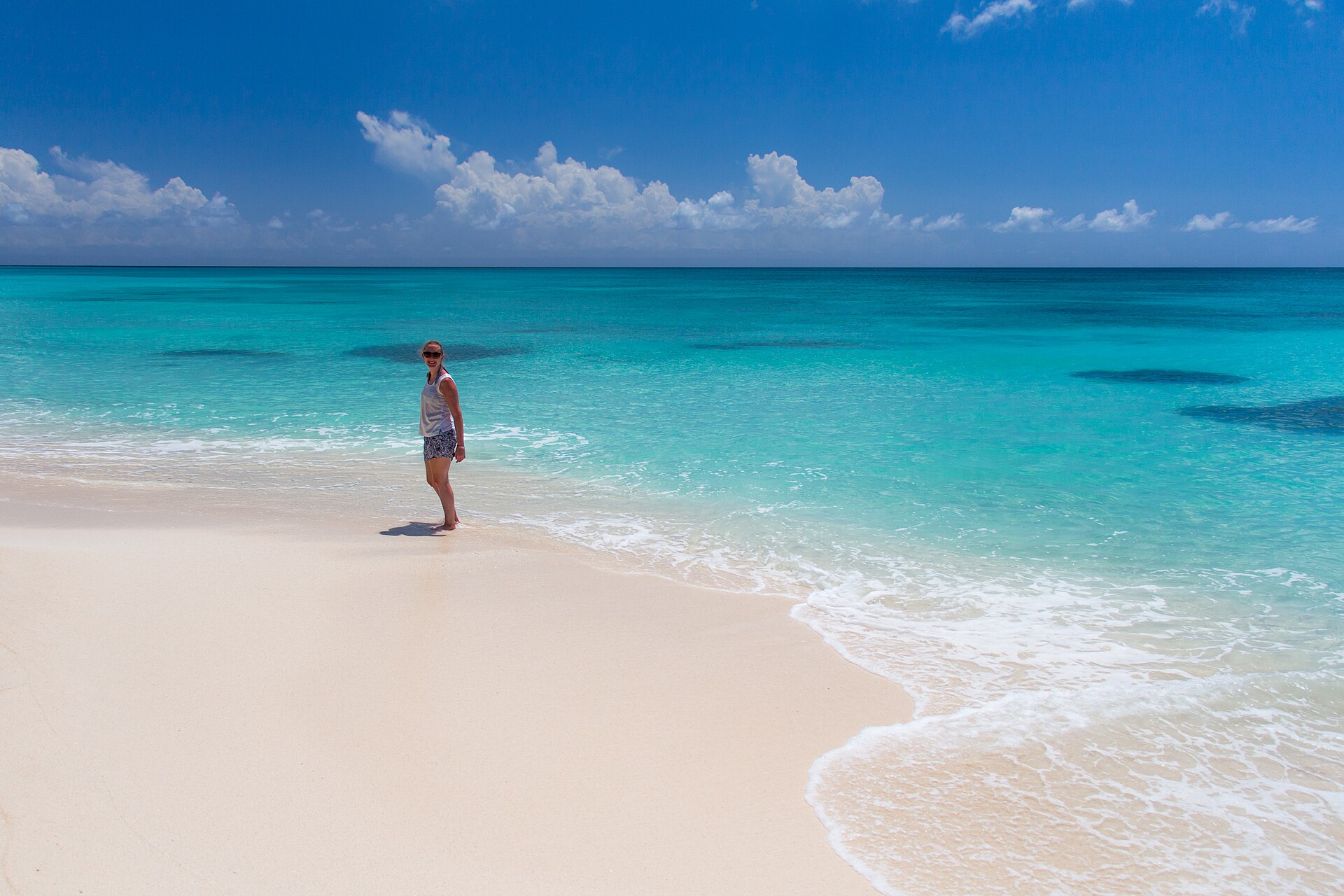
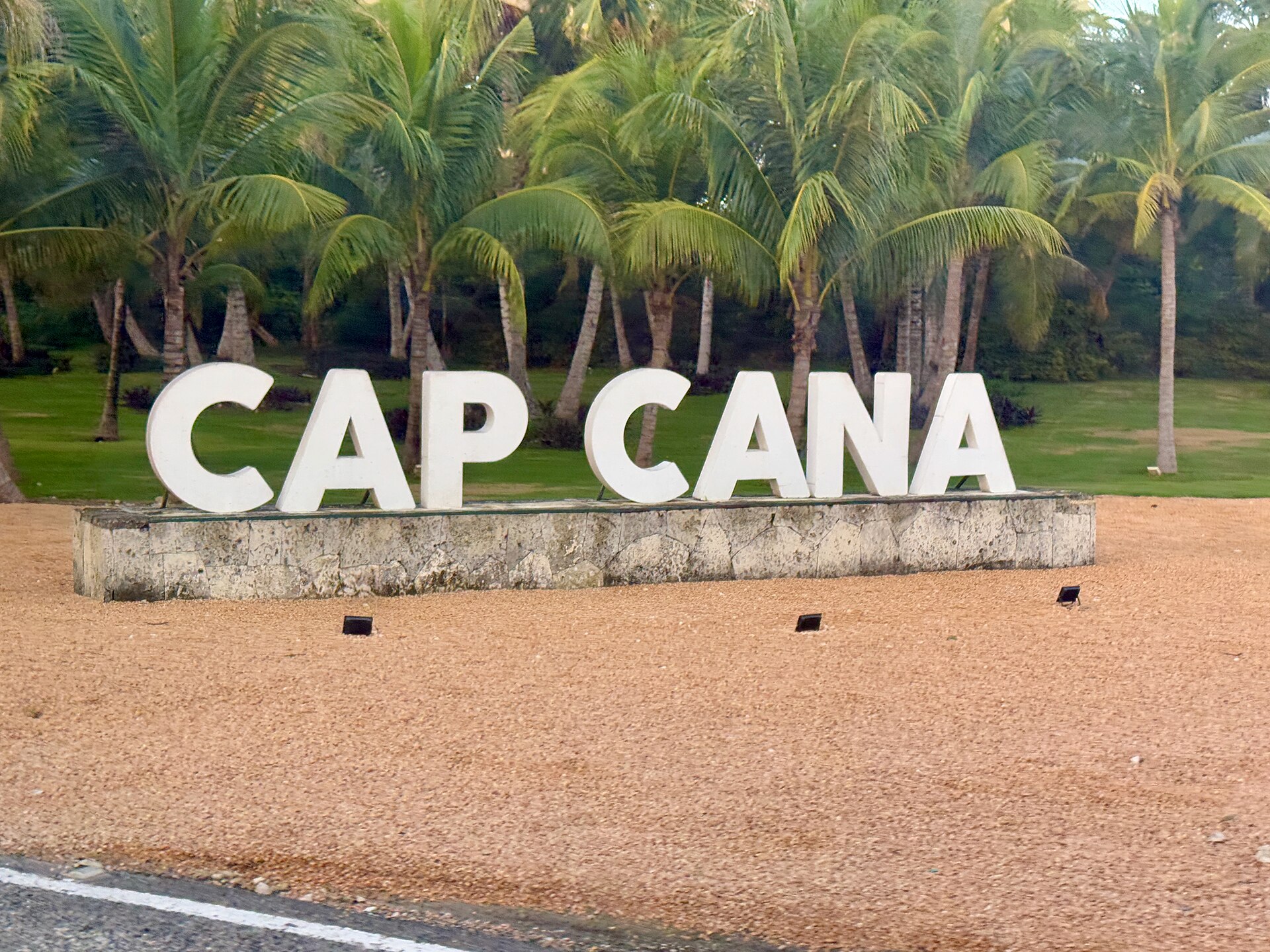
Punta Cana and its adjoining Bávaro coast, on the easternmost tip of the island, are the reason most travelers book: the longest continuous stretch of white-sand beach in the Caribbean, backed by dozens of large all-inclusive resorts, an international airport built to serve them directly, and reliably calm, turquoise, swimmable water. Cap Cana, just south of Punta Cana, is the newer, more upscale extension — gated marinas, golf courses, and quieter beaches.
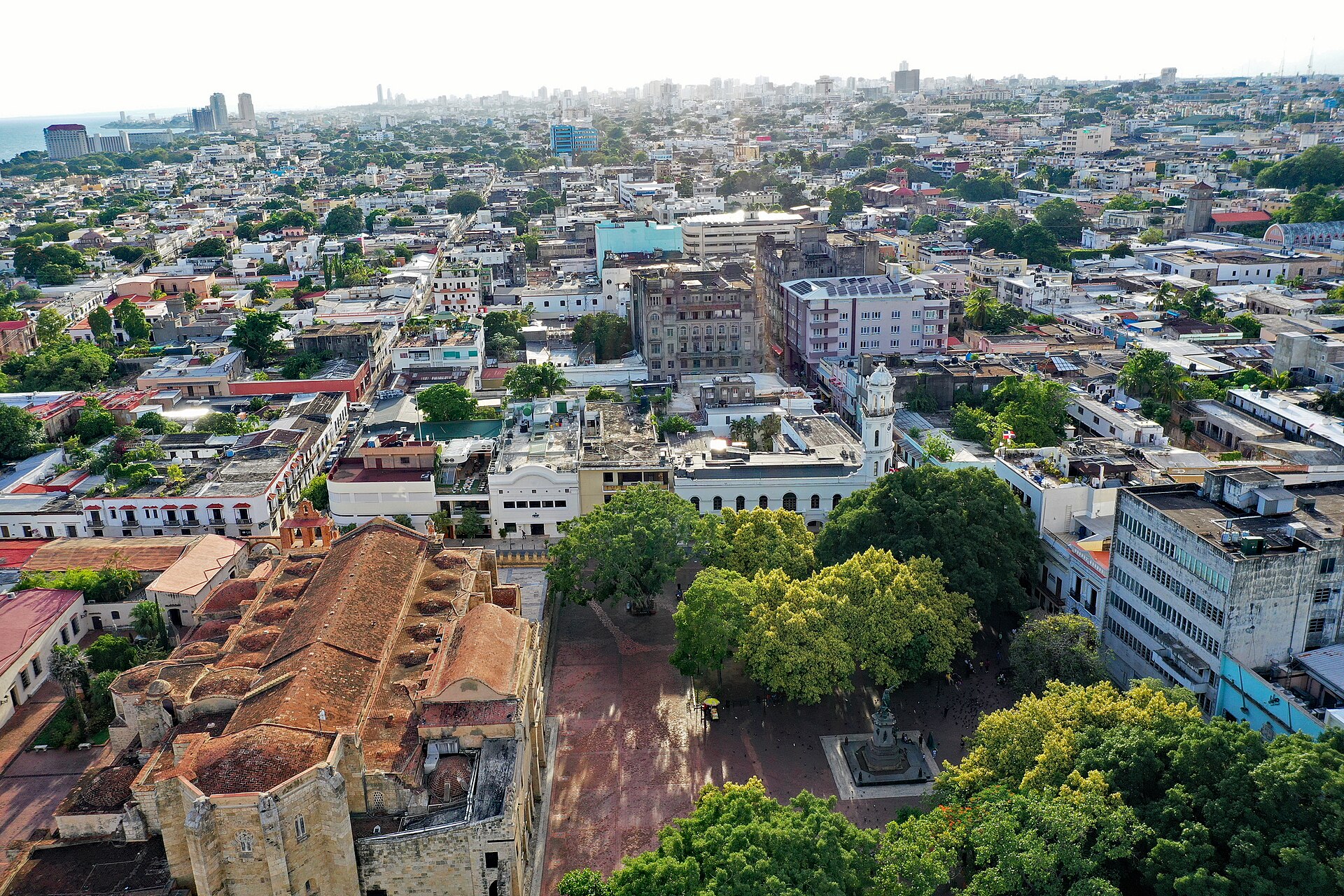
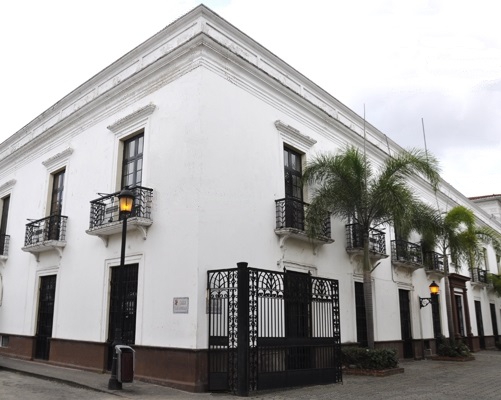
Beyond the resort corridor, the country rewards a bit of exploring. La Romana and Casa de Campo hold one of the Caribbean's great golf-and-villa resorts and the Mediterranean-style artisan village of Altos de Chavón. Puerto Plata and the north coast — the Amber Coast — mix historic town, windsurfing at Cabarete, and the 27 waterfalls of Damajagua. Samaná, on the northeast peninsula, is wilder and greener, known for humpback whale season each winter. And Santo Domingo, the capital, is the oldest continuously inhabited European city in the Americas, its Zona Colonial a UNESCO World Heritage Site of 500-year-old cathedrals, forts, and cobblestone streets.
What sets the Dominican Republic apart in the Caribbean is value: because the all-inclusive industry here is so large and competitive, travelers routinely get more resort — bigger properties, more restaurants, better swim-up service — for less than comparable islands. That makes it a strong pick for families, wedding groups, and anyone who wants a full resort experience without the price tag of Aruba, the British Virgin Islands, or St. Barts.