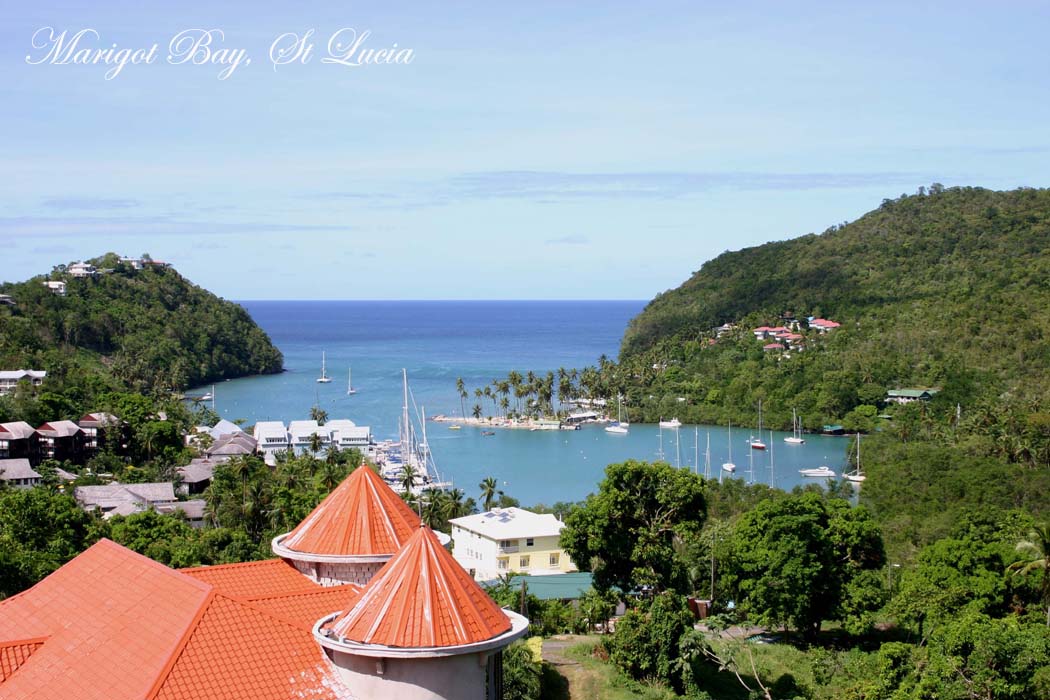
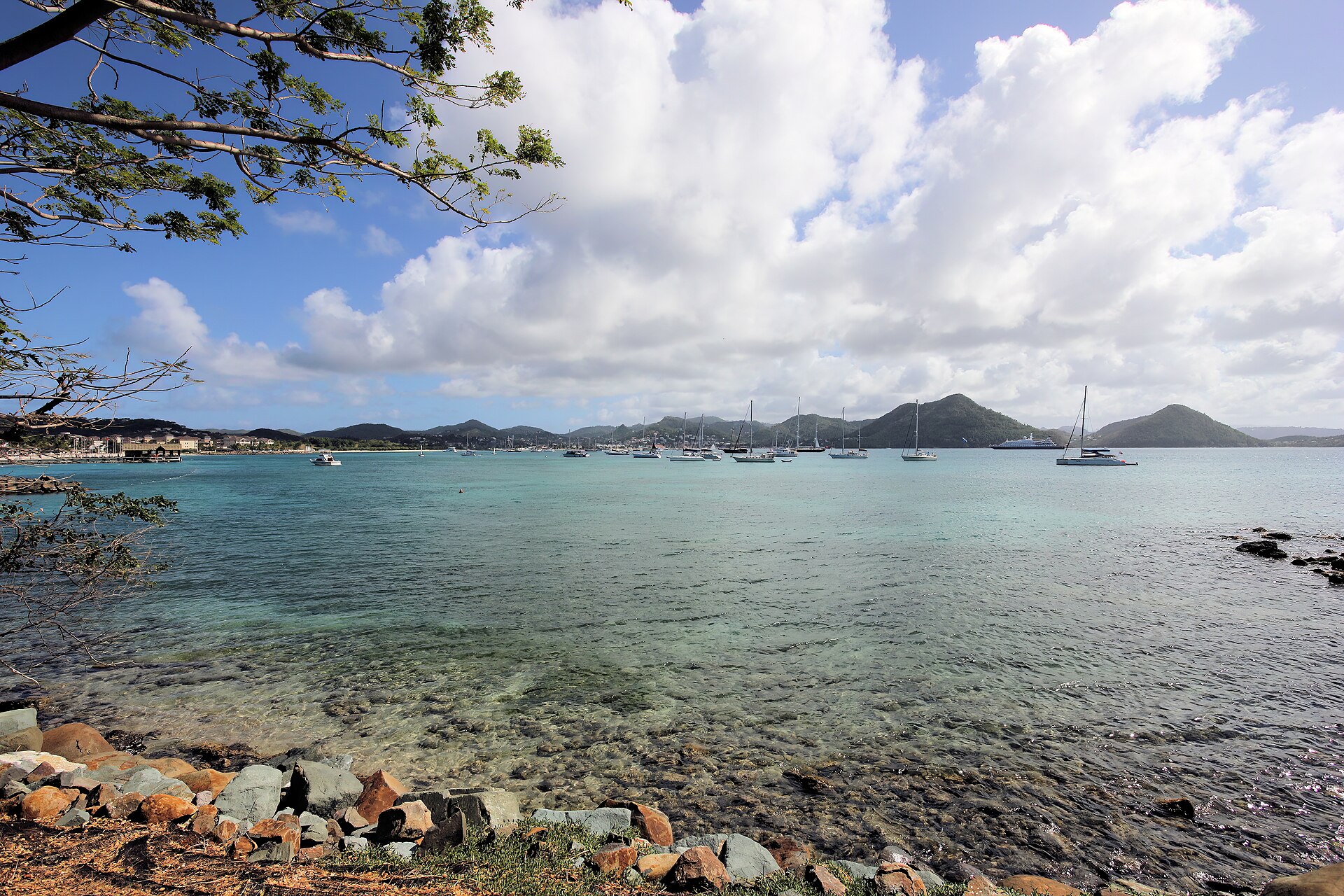
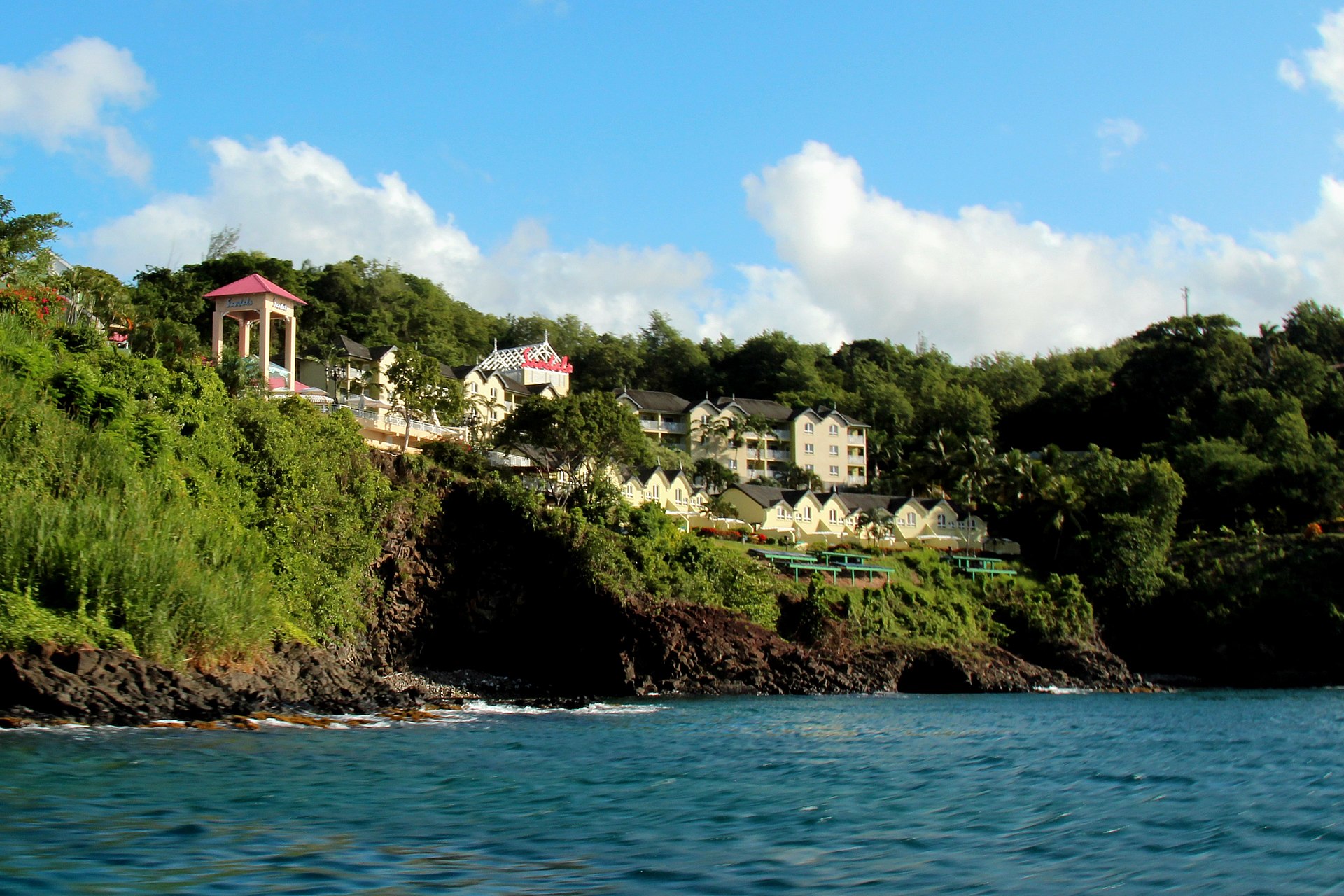
St. Lucia is one of the Windward Islands, and unlike the flat, dry, coral-fringed islands further north, it is volcanic, mountainous, and covered in rainforest. The interior climbs to over 3,000 feet, waterfalls drop through the jungle, and the coastline alternates between dramatic cliffs and calm, sheltered coves — this is a Caribbean island built for scenery, not just sand.
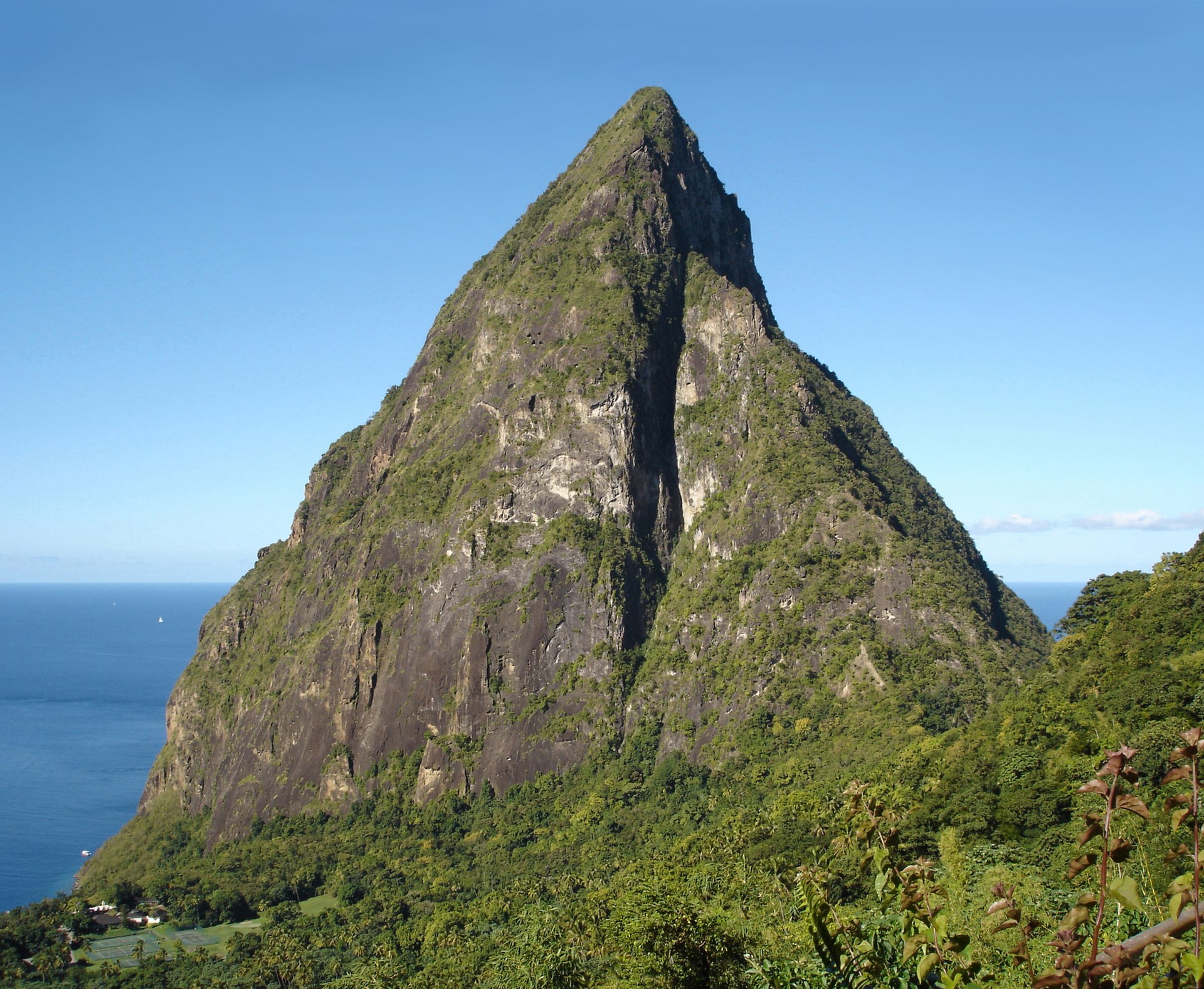
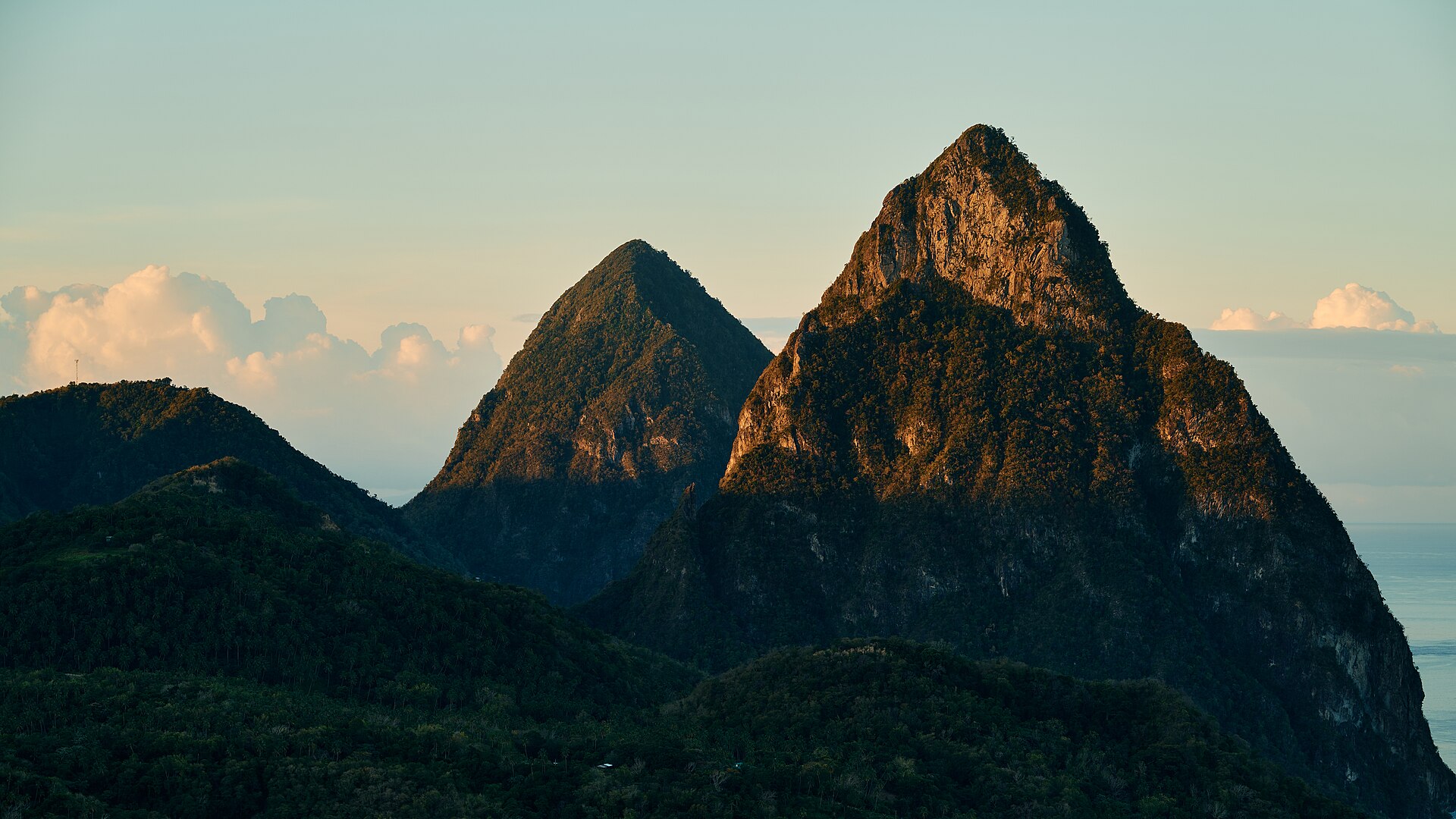
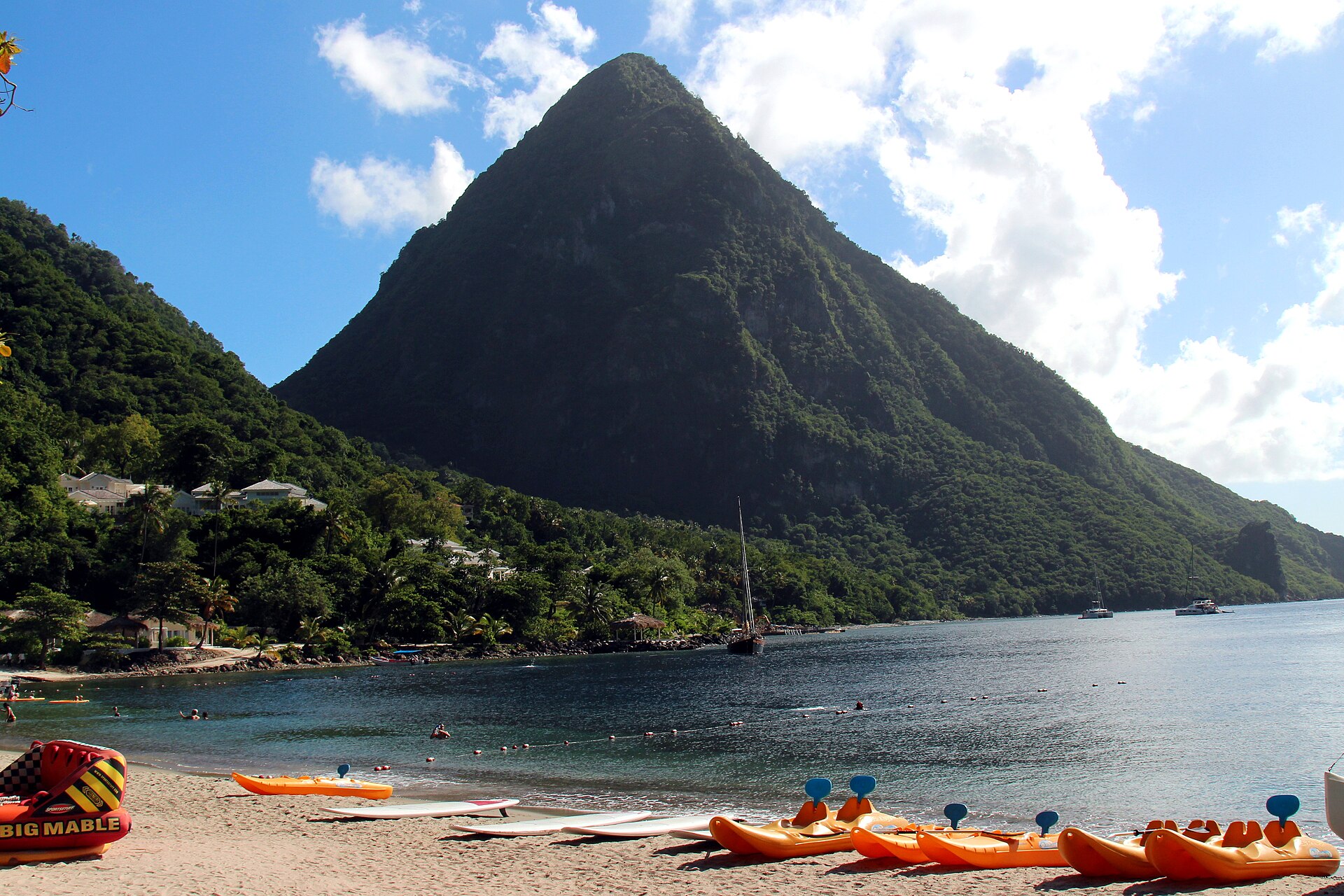
That scenery peaks at the Pitons — Gros Piton and Petit Piton, twin volcanic spires that rise straight out of the sea near the town of Soufrière and form a UNESCO World Heritage Site. They're the single most photographed sight in the Eastern Caribbean, and nearly every itinerary on the island is built around getting a good look at them, whether from a boat, a resort infinity pool, or the summit trail up Gros Piton.
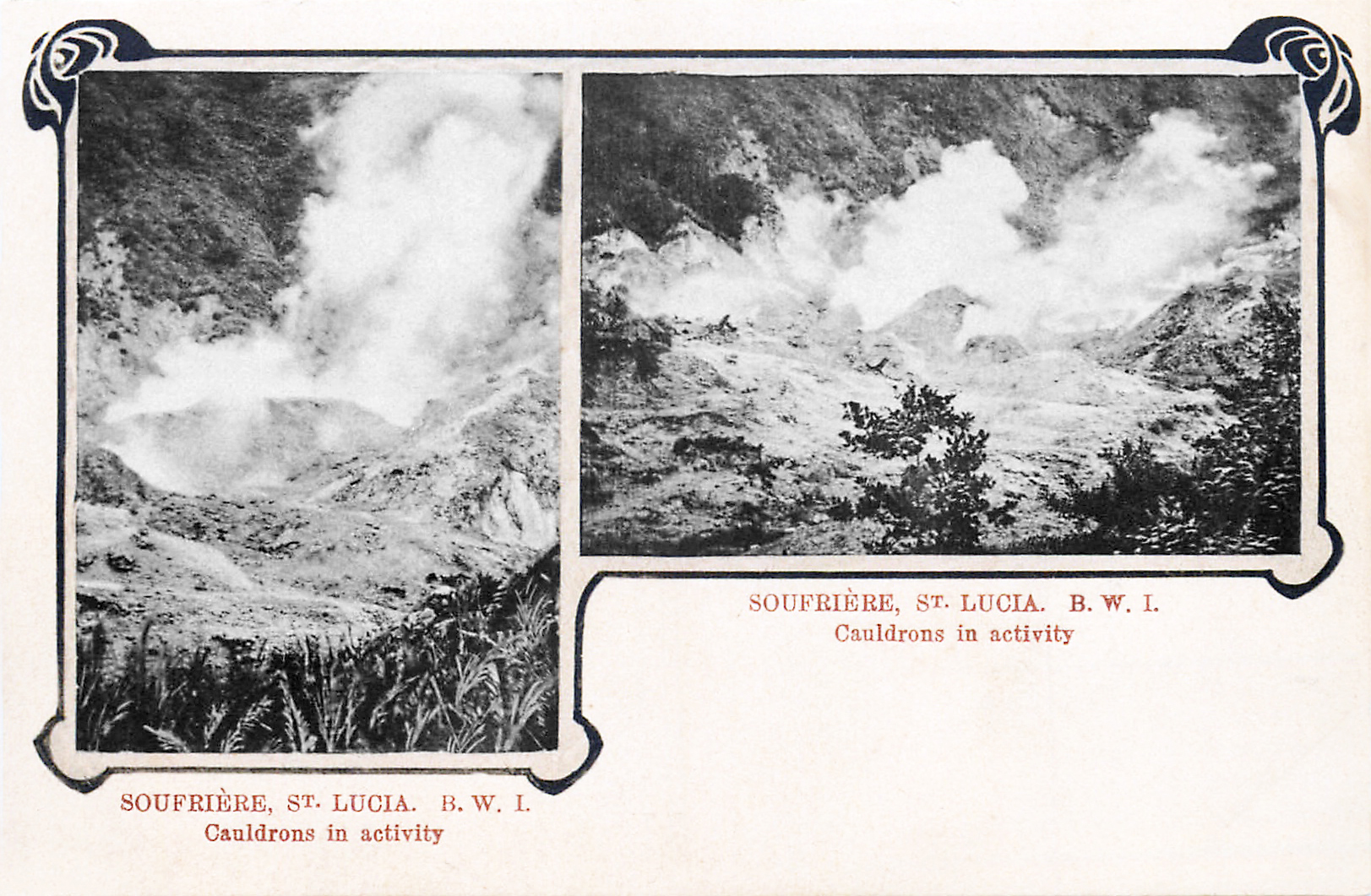
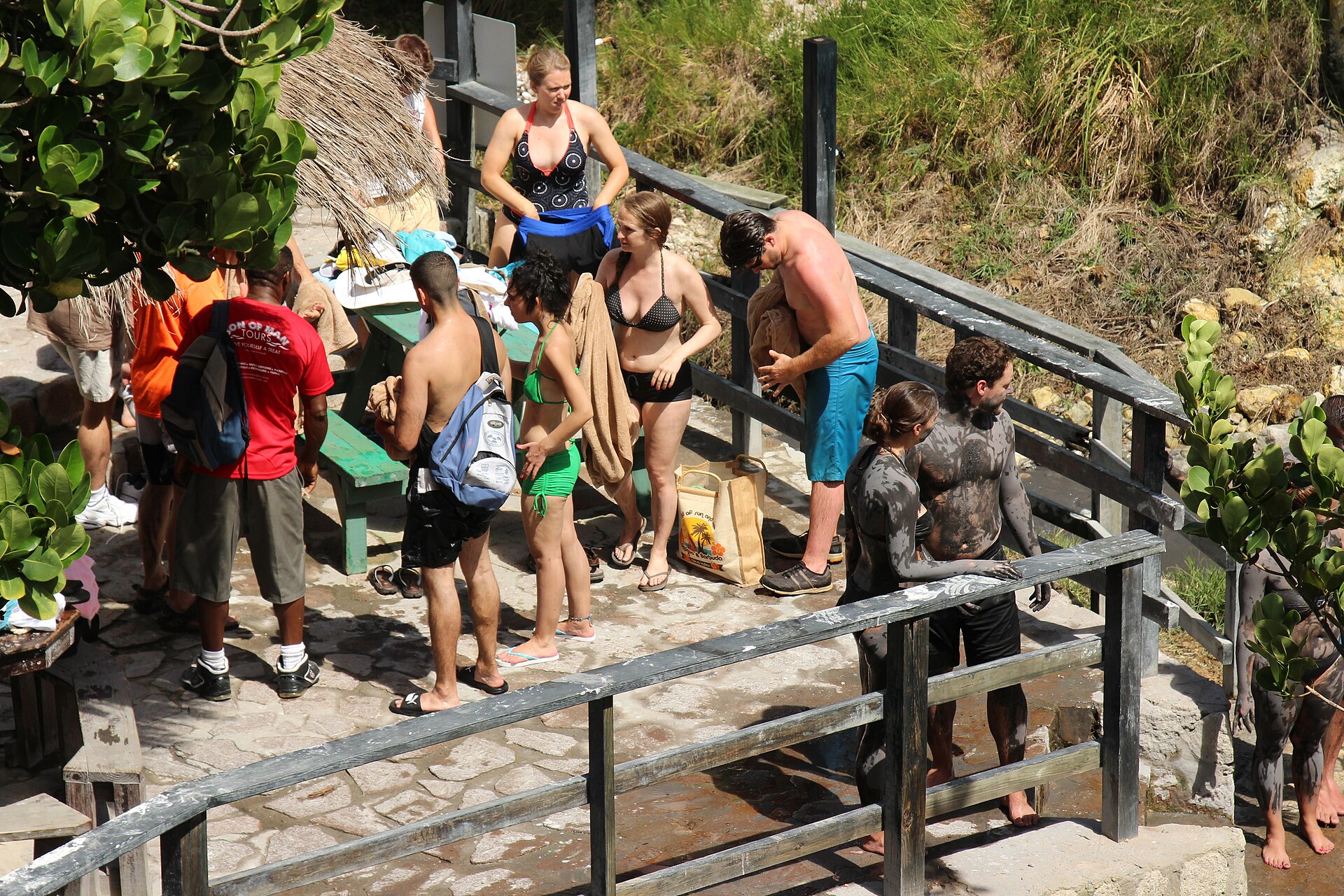
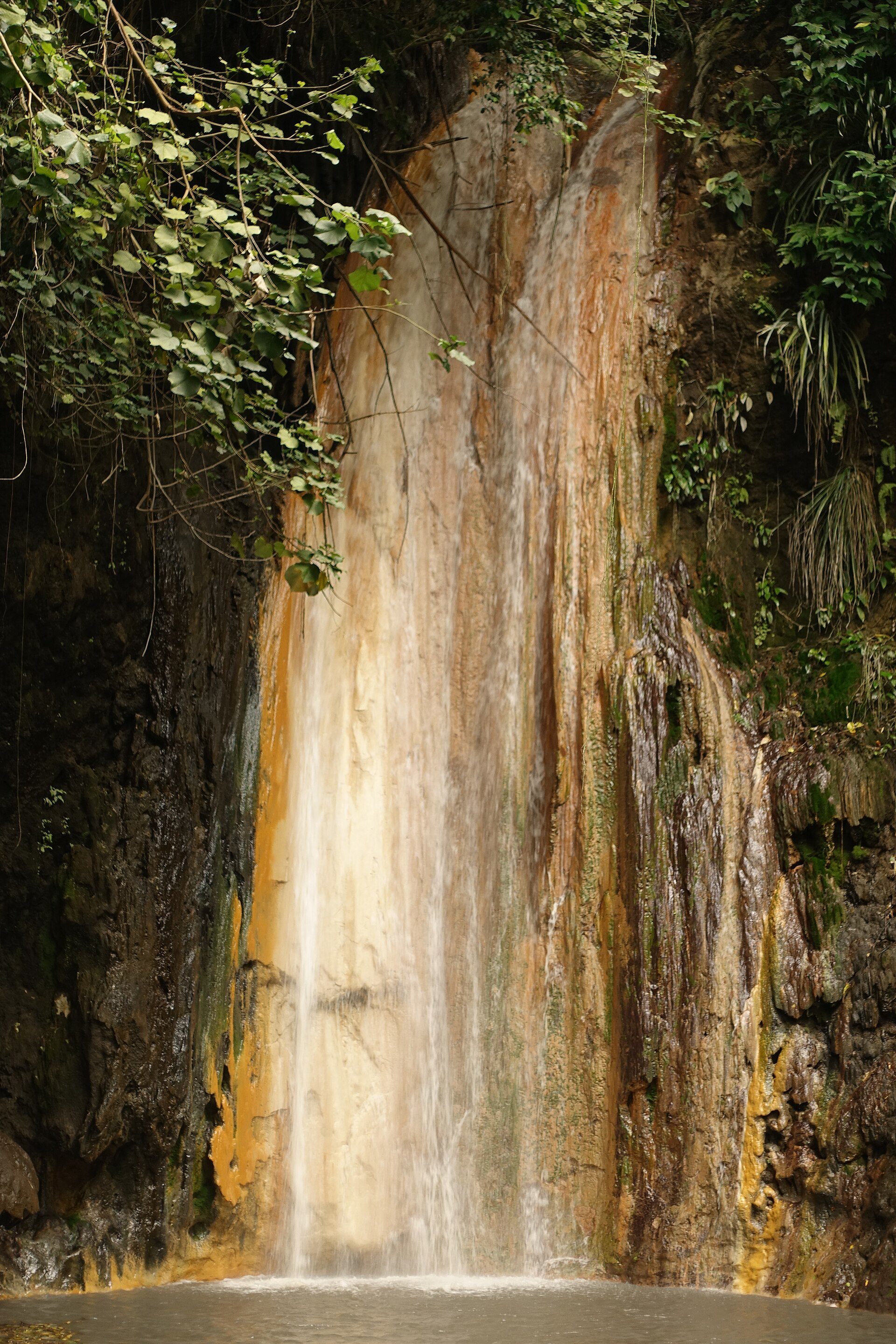
Soufrière itself sits at the foot of a still-active volcanic system. Sulphur Springs, just outside town, is marketed as the Caribbean's only drive-in volcano — a short walk brings you right up to steaming, bubbling cauldrons — and the same geothermal activity feeds the warm mineral mud baths and Diamond Falls nearby. It's a genuinely different Caribbean experience from lying on a beach.
St. Lucia has two airports serving very different parts of the island: Hewanorra International (UVF) in the south, close to Soufrière and the Pitons, and George F.L. Charles (SLU) in the north, in Castries near Rodney Bay. Most resorts — and most of the island's honeymoon and destination-wedding reputation — cluster around Rodney Bay in the north or the Soufrière coast in the south, and the roughly 90-minute drive between them, through mountains and banana plantations, is itself one of the best things to do on the island.