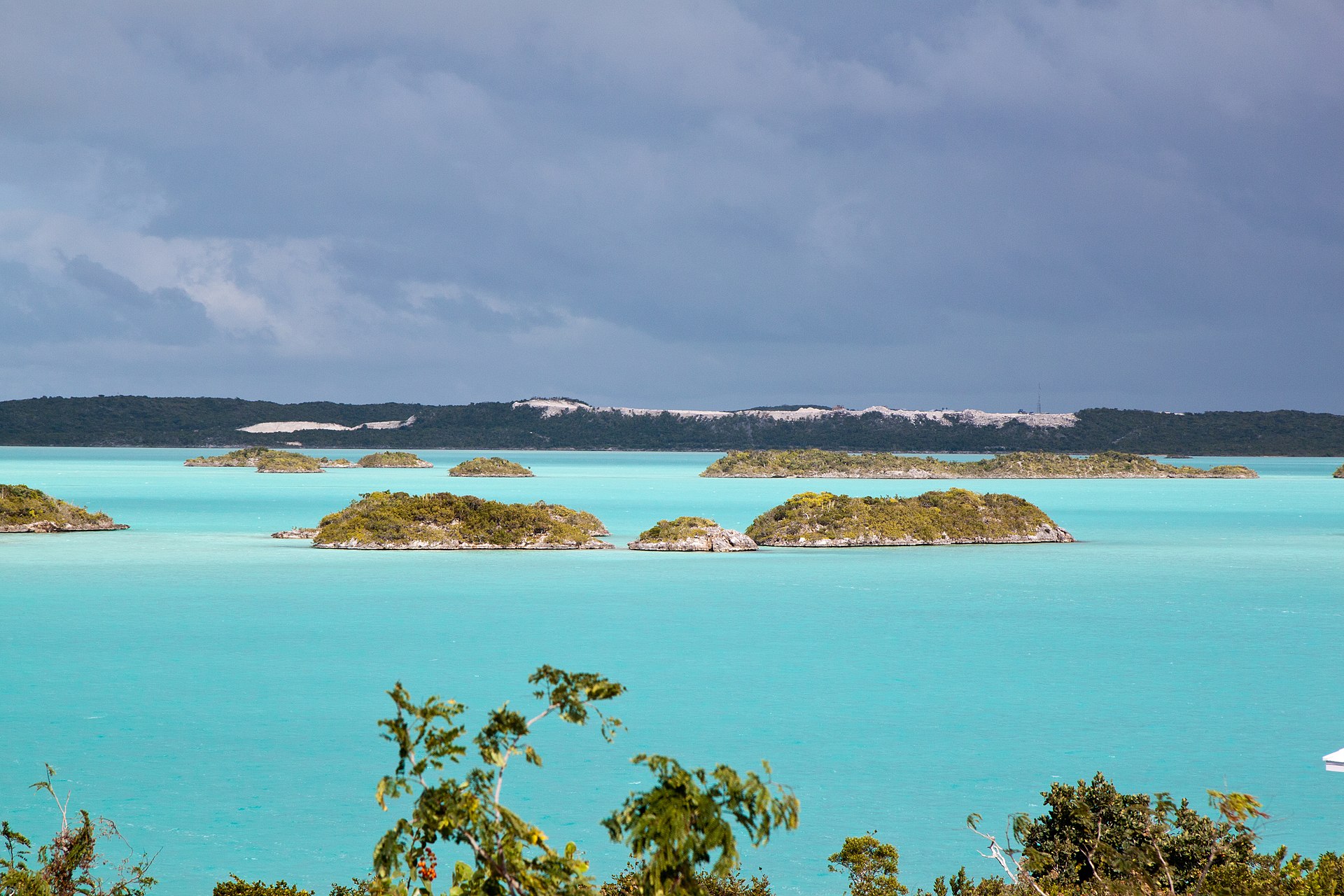
The Turks and Caicos Islands are a British Overseas Territory southeast of the Bahamas — 40-odd islands and cays sitting on two shallow limestone banks, with a population under 50,000 and no large-scale development outside a handful of islands. The currency is the US dollar, the electricity is US-standard, and English is the official language, which makes it an unusually easy and familiar Caribbean trip for American travelers, at a price point closer to a five-star hotel in Europe than a typical island getaway.
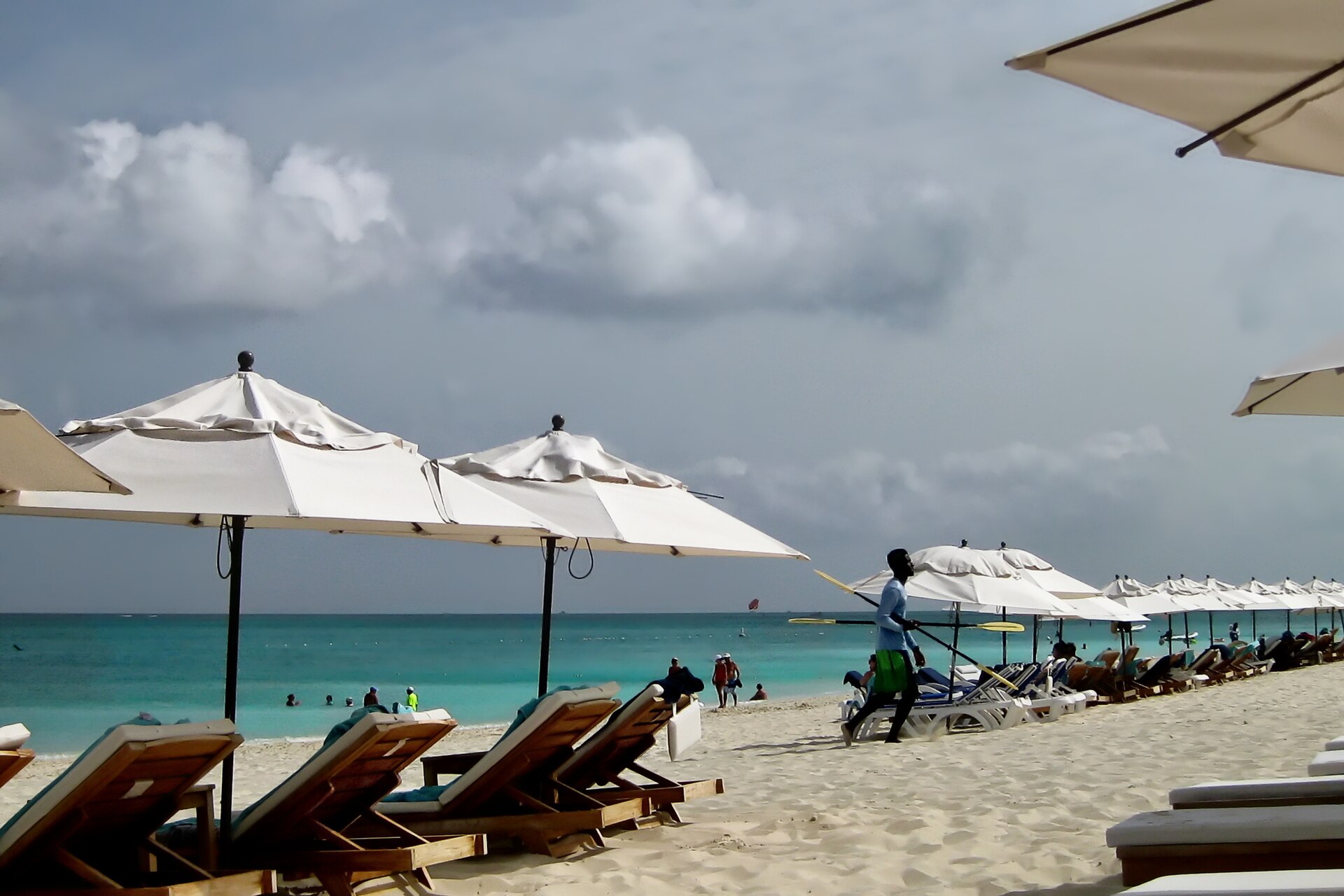
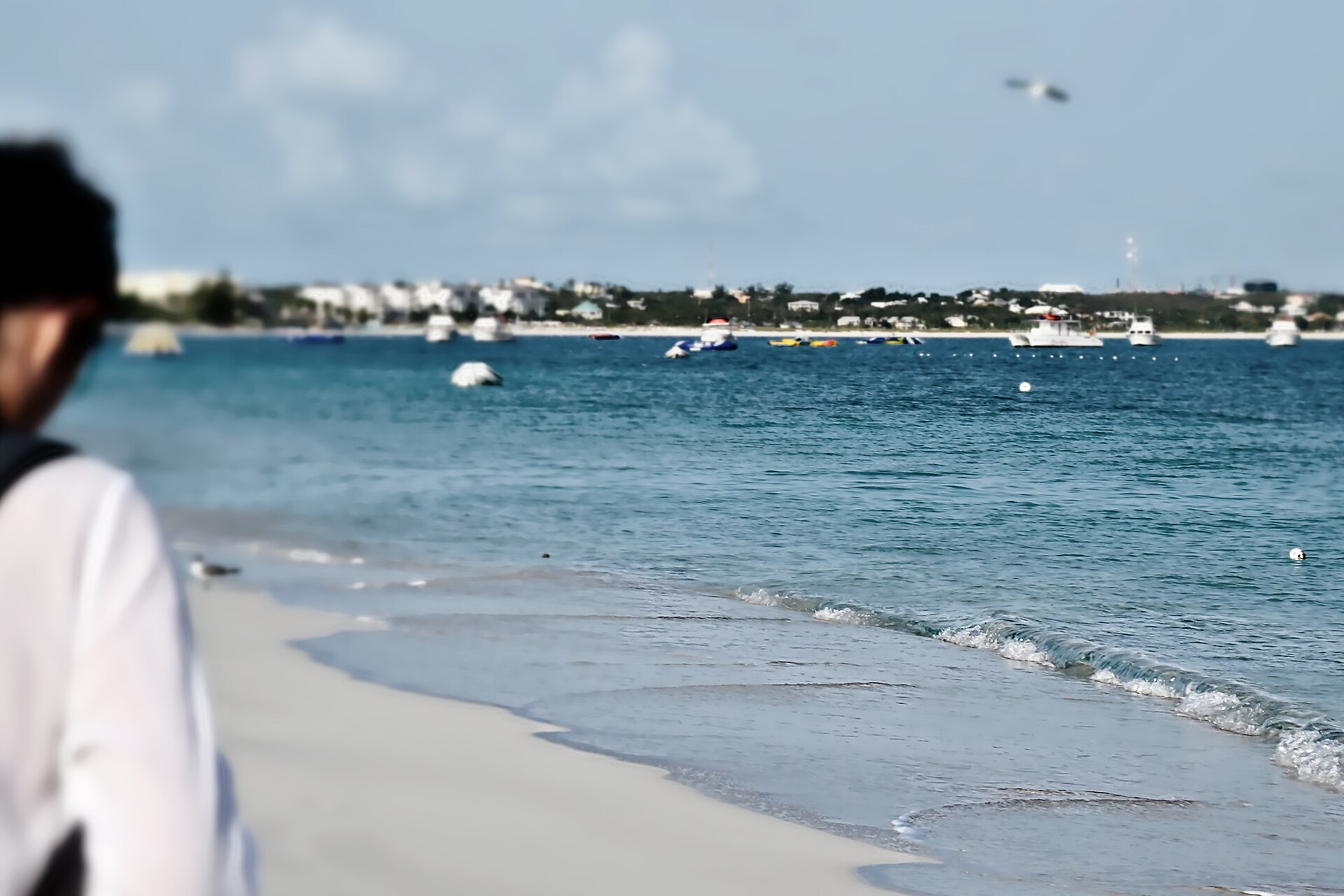
Nearly every visitor lands on Providenciales — Provo — the resort island, where the vast majority of hotels, restaurants, and villas sit along or near Grace Bay: a 12-mile arc of white sand protected by the world's third-largest barrier reef, routinely ranked the best beach in the Caribbean and among the best in the world. The water is famously calm and shallow for hundreds of feet out, with almost no undertow, which is part of why the island draws so many honeymooners and families.
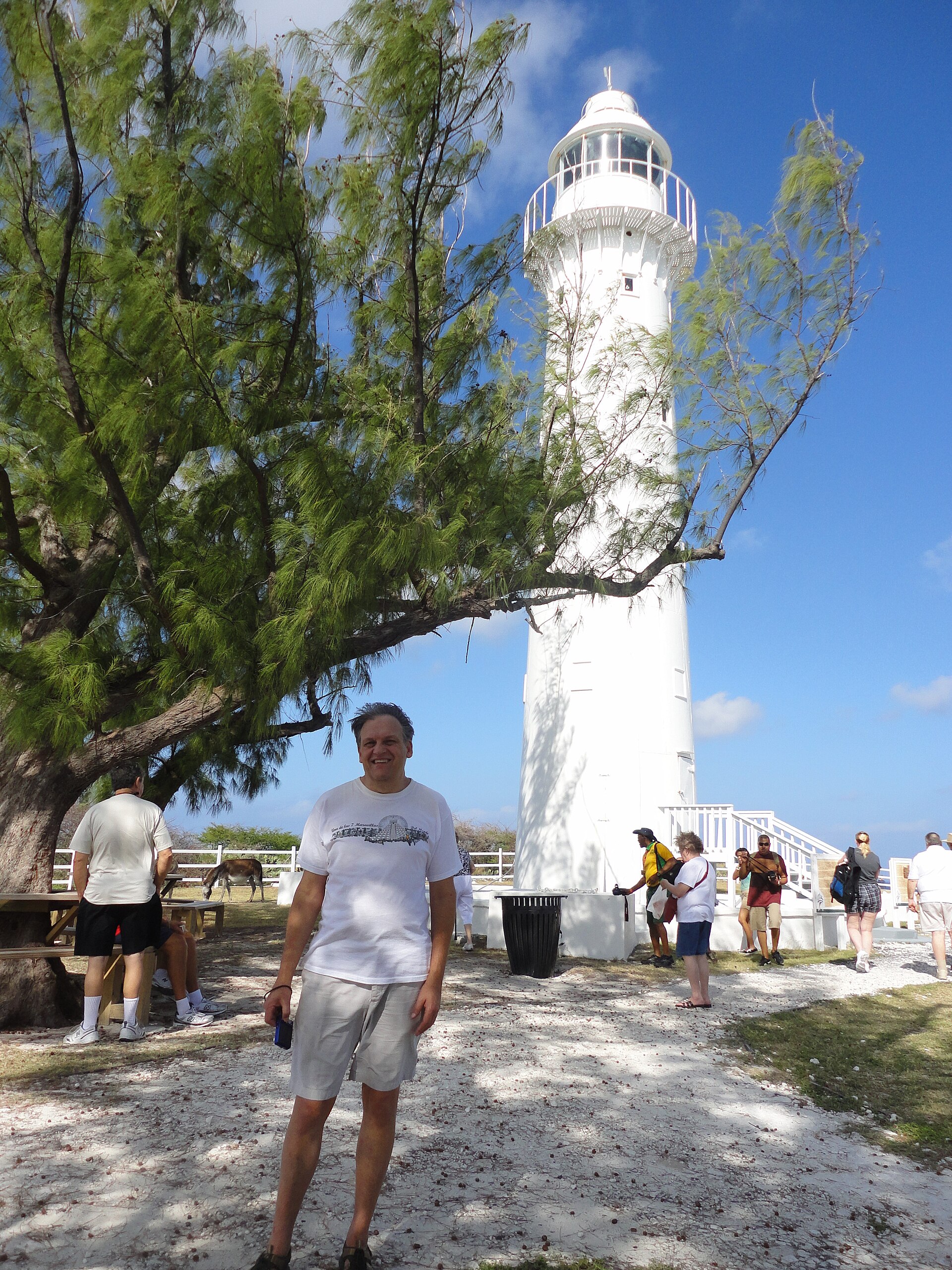
The territory splits into two island groups separated by the 22-mile-deep Turks Island Passage: the Caicos Islands (Providenciales, North, Middle, and South Caicos, and Parrot Cay) to the west, and the Turks Islands (Grand Turk and Salt Cay) to the east. Grand Turk is the capital island — home to Cockburn Town, the territory's small government seat, and the main cruise port, where several thousand passengers a day disembark at a purpose-built terminal for a few hours, a completely different rhythm from Provo's resort scene.
The islands are known for conch — the national dish appears fritter, cracked, or ceviche-style on nearly every menu — and for genuinely exceptional diving and snorkeling on the wall drop-offs that ring the banks. Expect a real price premium versus the wider Caribbean: nearly everything is imported, all-inclusive options are limited compared to Jamaica or Punta Cana, and dining, groceries, and taxis run noticeably higher than a first-time visitor might expect.